
Hydraulic protection for every connection, phase and risk
Find the right protection for hydraulic hoses, ports, threads, connections and flanges. Choose by risk, connection type, application phase or product family.
The right protection starts with the right choice.
Hydraulic caps, plugs and protectors are small parts with a big job: they keep dirt, moisture and damage out of the connections that have to hold pressure. Matched to the thread, cone, O-ring or flange face, the right protector keeps a system clean and tight — and Verpas has the right size for every hydraulic connection.
Where hydraulic systems are most vulnerable
A hydraulic system is only as reliable as its most exposed connection. An open thread, port or flange lets in the dirt, moisture and damage that make valves stick, seals fail and pumps wear. These are the five risks you want to rule out.
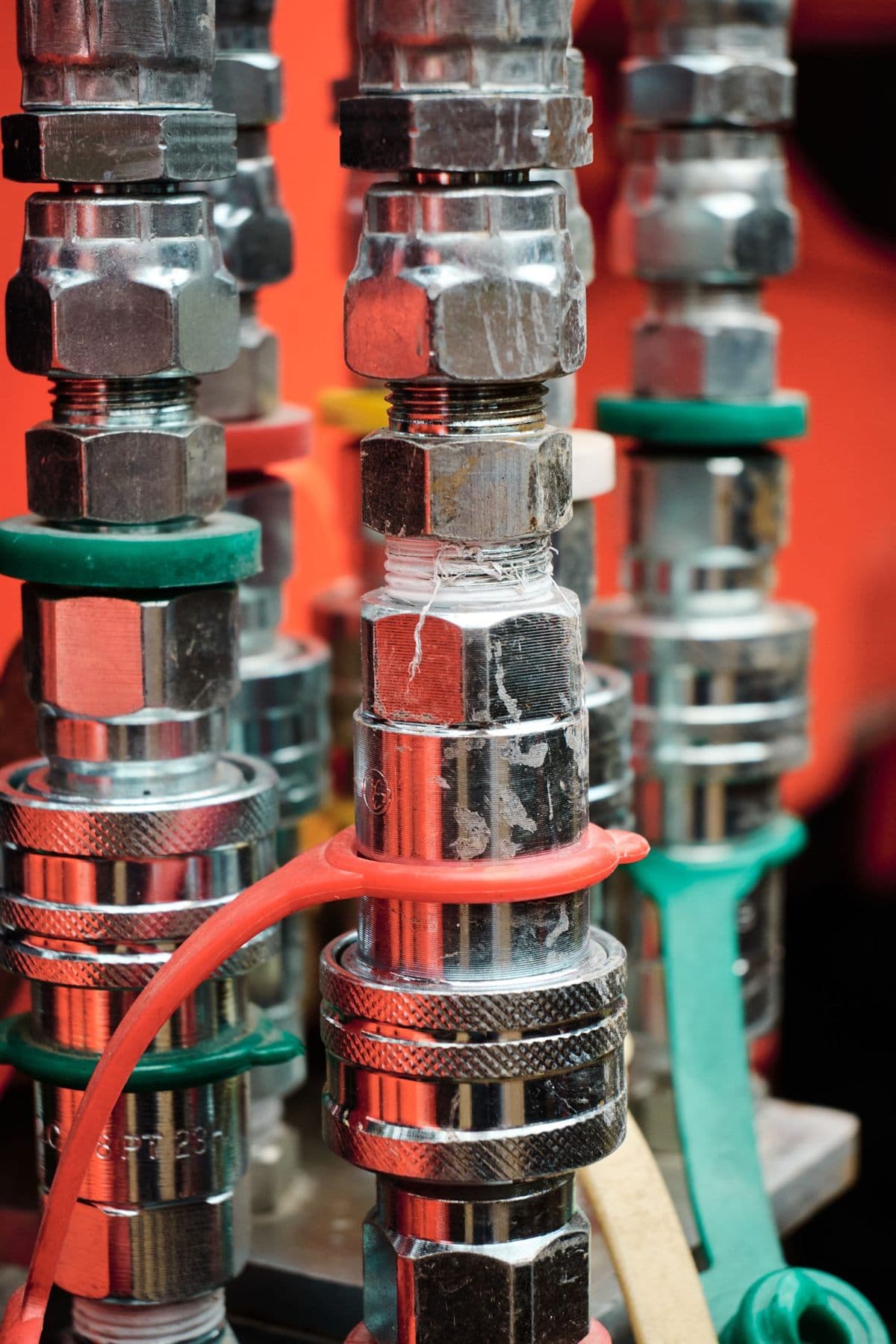
Dirt in lines, hoses and components
Dust, sand, metal shavings, paint residues or moisture enter the system through open connections. Even small particles do damage: valves stick, seals fail and pumps and cylinders wear.
Solution
Seal openings the moment they are exposed — that keeps particles out.
Impact and transport damage
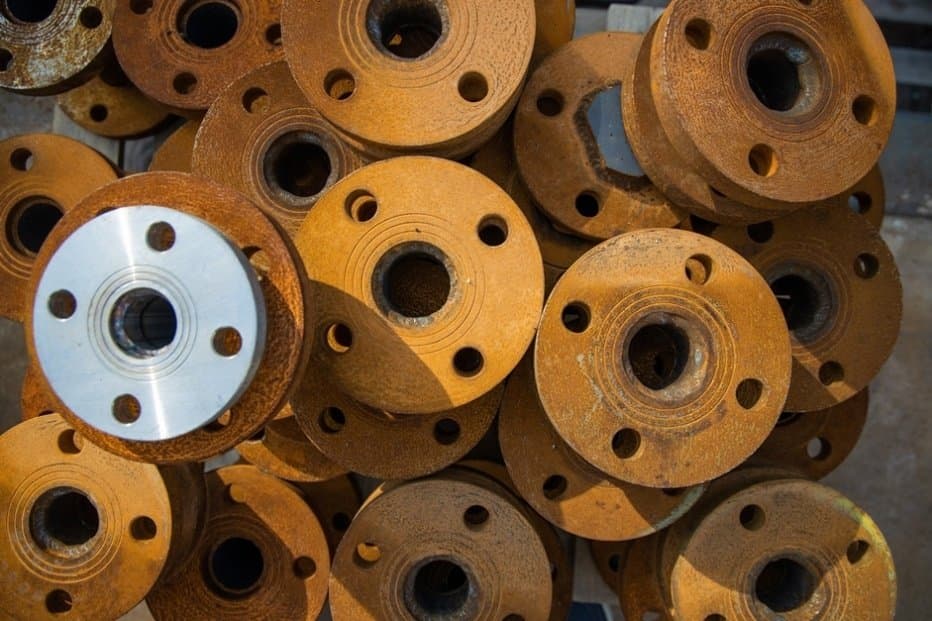
Precision threads, cones, sealing faces and flange faces take knocks, drops or abrasion during production, storage and transport — and a dented seat or flange face leaks. An open connection also lets in moisture and corrosion.
Solution
Protect threads, cones, O-ring zones and flange faces against impacts during handling, storage and transport.
Oil loss during service and maintenance
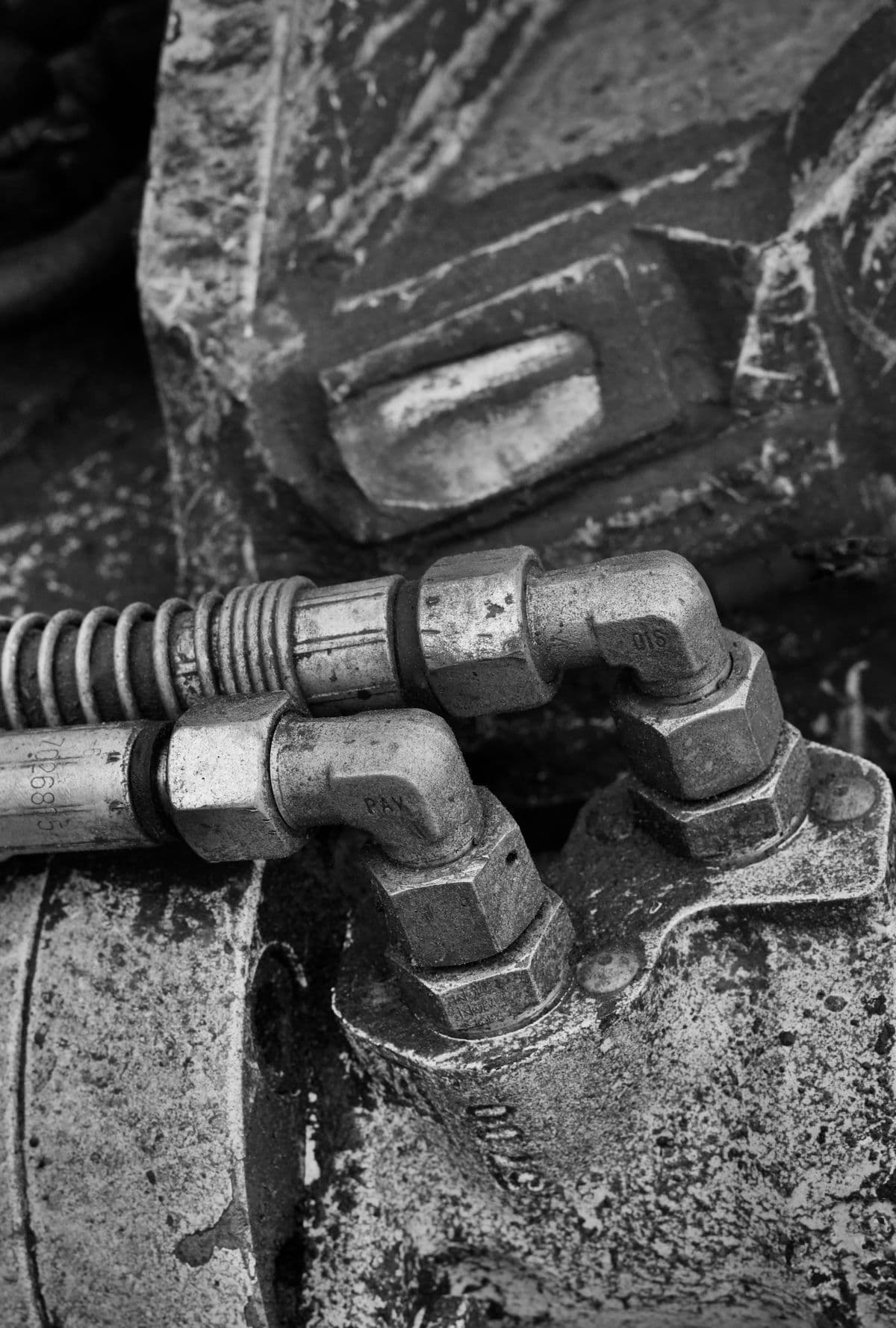
During maintenance, hoses, cylinders, pumps, valves and manifolds are disconnected and oil drains away. The result: extra cleaning, a contaminated workplace and a higher risk of failure after reassembly.
Solution
Seal open lines, ports and hoses during service to limit oil loss.
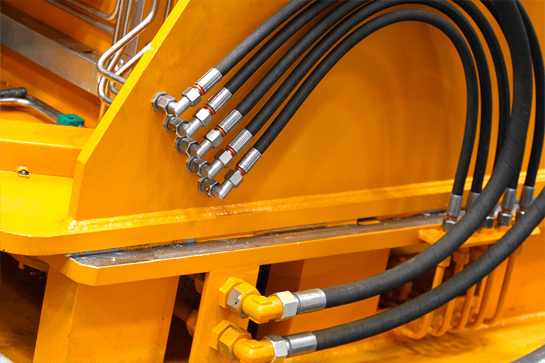
Wear and damage to hydraulic hoses
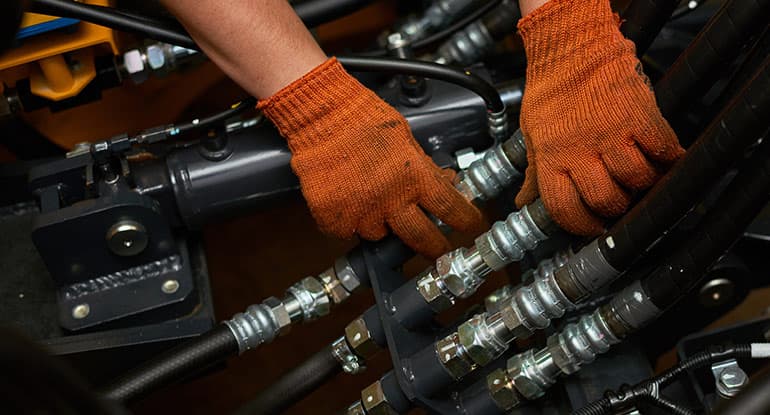
Hoses move with the machine and are constantly exposed to dirt, heat, UV, oil and chemicals. Those external factors wear down the outer cover and increase the risk of a burst.
Heat during painting and coating
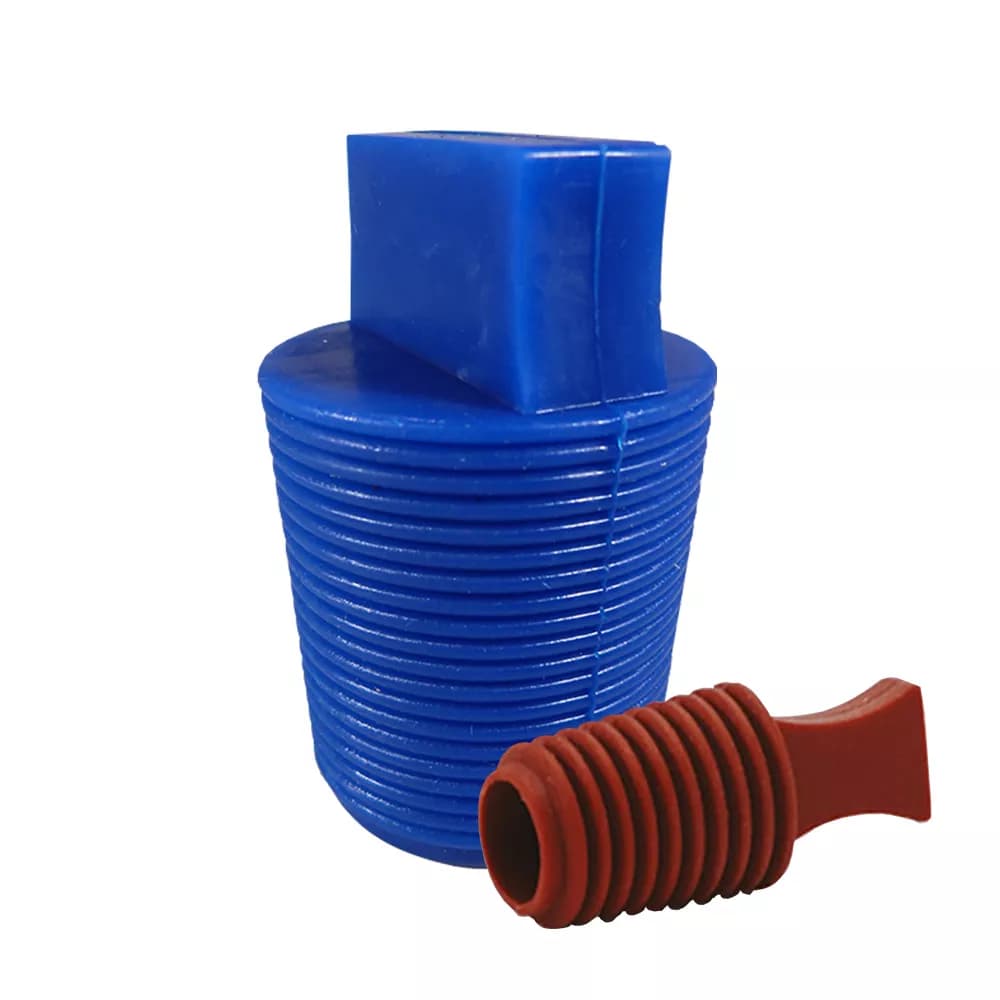
Components pass through blasting, painting, powder coating and stoving processes during finishing. Standard plastic plugs soften or melt at those temperatures, causing the masking to fail and paint or powder to contaminate the thread, bore or sealing face.
Solution
Mask with heat-resistant silicone, EPDM or cork that holds its shape in the oven and pulls off clean.
Protect at the right moment
Most damage occurs long before a machine runs: in production, transport, storage and assembly. Protect every component at the right moment and small slips never reach the field.
Production & assembly
In the workshop, hydraulic components often lie temporarily open; dirt, swarf, paint residues or packaging material can enter open ports.
- Protective caps for couplings and threads
- Sealing plugs for open ports and lines
- Flange protection for SAE flanges and flat connections
- Heat-resistant plugs and caps for painting or coating
Storage & transport
In transit, components face vibration, moisture, dust and handling — resulting in corrosion on threads, flange faces and sealing zones.
- Transport plugs for open connections
- Protective caps for threads and sealing faces
- Flange protection for larger mating faces
- Hose protection when bundling or transporting assemblies
Service & maintenance
Maintenance means hoses, couplings and fittings are disconnected and temporarily lie open and unprotected.
- Service plugs for temporarily open lines
- Protective caps for disconnected couplings
- Dust caps for quick couplings
- Hose protection during replacement or rerouting
Browse by product family
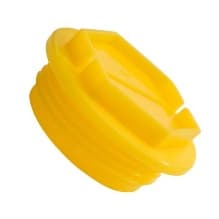
Caps & plugs for threads and bores
Protect threaded ports, bores, holes and hex couplings against dirt, moisture and impacts.
Protection for hydraulic couplings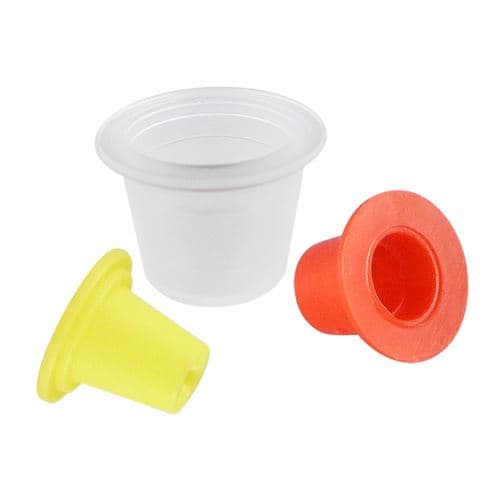
Sealing plugs for open ports
Close open hydraulic ports and lines during service to limit oil loss and keep dirt out.
Sealing caps for bores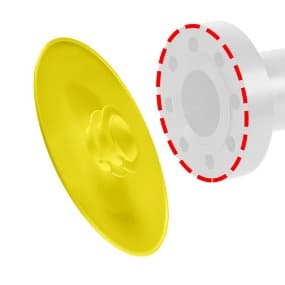
Protection for flanges & pipe ends
Protect flange faces, bolt holes and pipe ends during transport, storage and coating.
Pipe and flange protection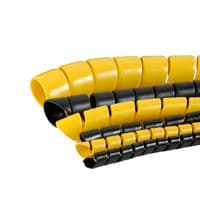
Protection for hoses & cables
Spiral guards that absorb abrasion, impacts and weathering on hose and cable runs.
Hose and cable protectionMasking for coating lines
Silicone, EPDM and cork masking that stays sealed during blasting, stoving and painting.
Heat-resistant maskingChoose protection by sealing principle
Thread size is not the only factor. A connection seals on a thread, a cone, an O-ring, a face or a flange. Protection must not only fit — it must shield the part that actually does the sealing.
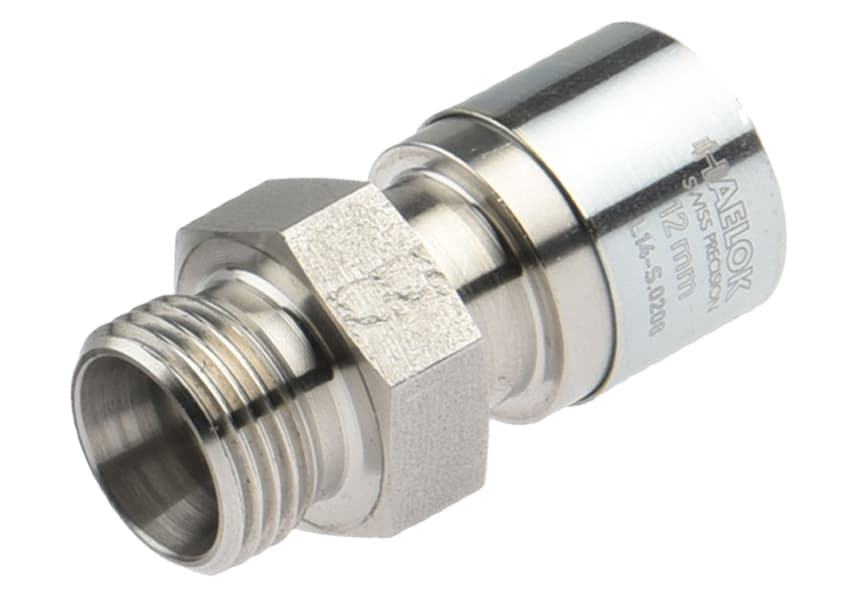 DKO
Protecting DKO connections
Metric 24° cone with O-ring seal, the standard in European hydraulics.
Identify & protect →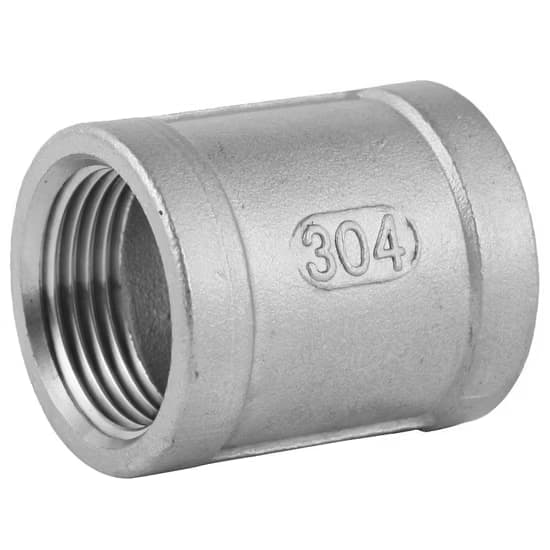 BSP
Protecting BSP, BSPP and BSPT threads
British 55° thread. BSPP seals on a face or O-ring, BSPT on the thread itself.
Identify & protect →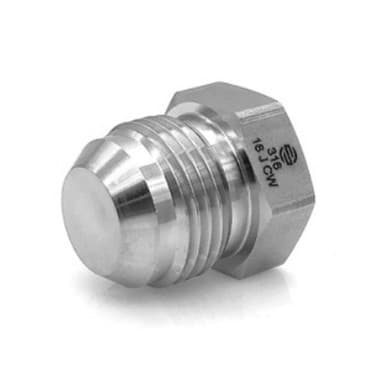 JIC 37°
Protecting JIC 37° and UNF fittings
UNF thread that seals metal-to-metal on a 37° flare, without an O-ring.
Identify & protect →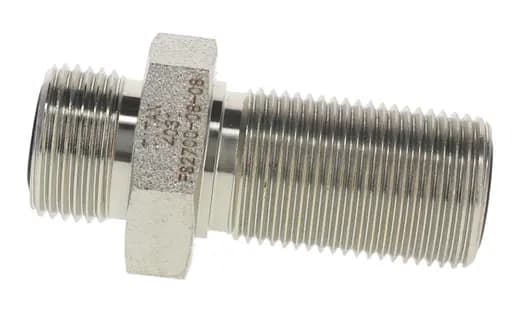 ORFS
Protecting ORFS fittings
Flat sealing face with O-ring, built for high pressure and vibration.
Identify & protect →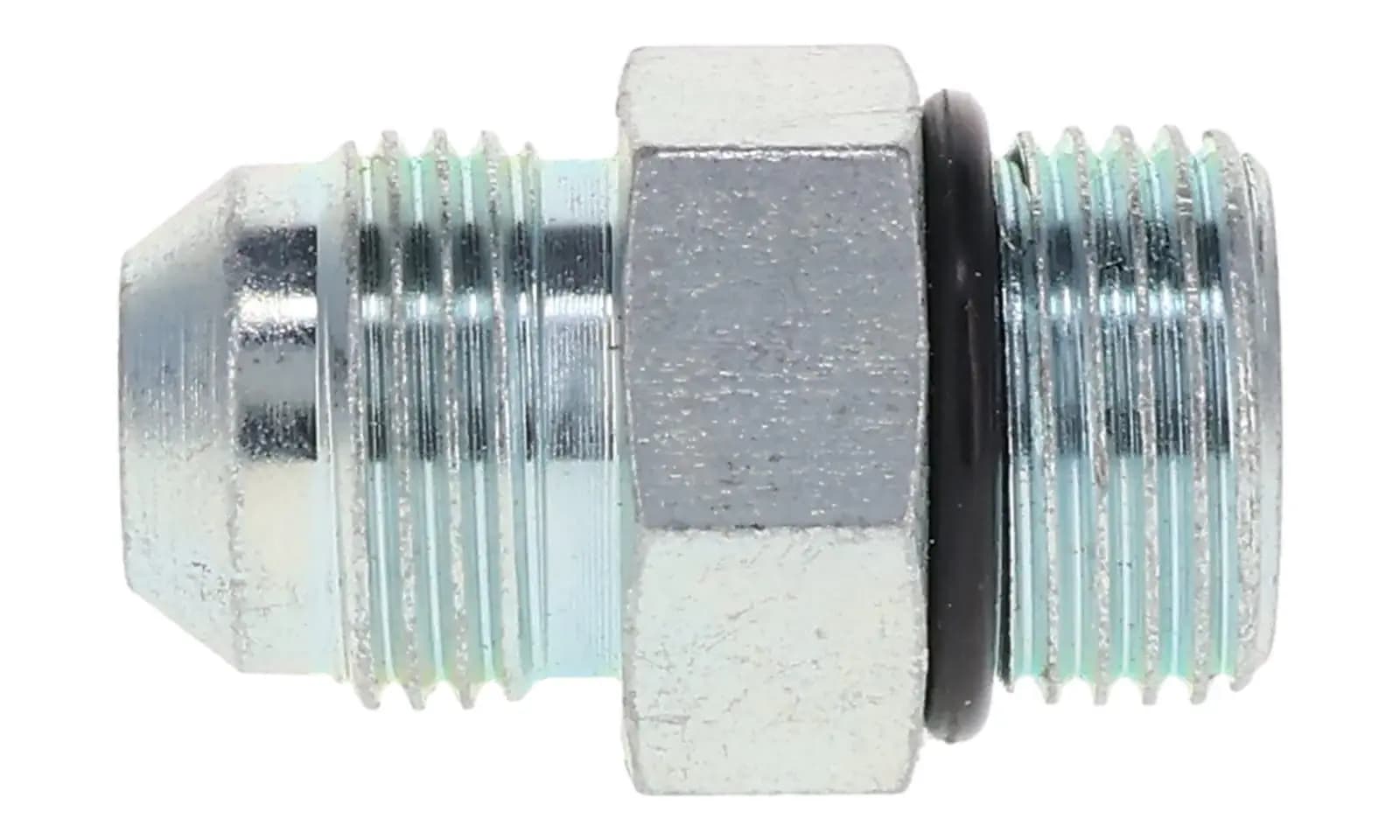 SAE ORB
Protecting SAE ORB ports
Straight thread port, sealed by an O-ring at the shoulder.
Identify & protect →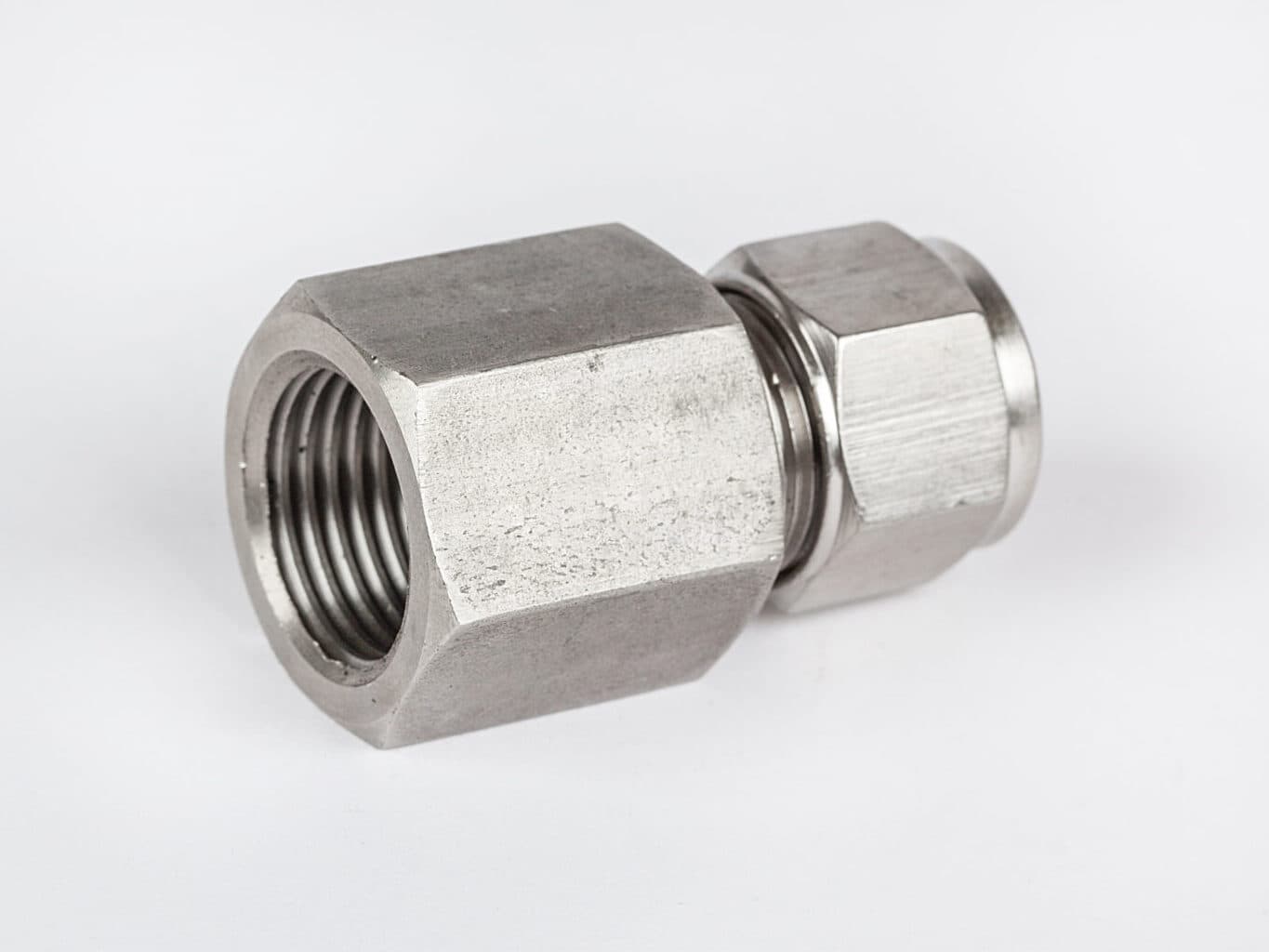 NPT
Protecting NPT and NPTF threads
American 60° tapered thread that seals on the thread itself.
Identify & protect →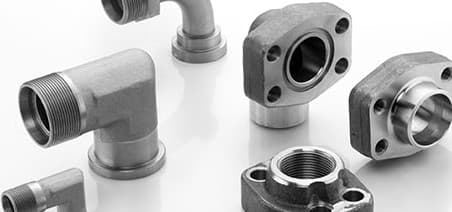 SAE flange
Protecting SAE flanges
Four-bolt flange with O-ring in the face, for high-flow lines.
Identify & protect →
Find the right hydraulic protection
Choose the risk you want to rule out — contamination, transport damage, oil loss or hose wear — and instantly see the product families that solve it.
Start the selection guideGuides to choosing and fitting protection
The right protection starts with knowing your connection. These guides cover the practice — from identifying threads to preventing contamination during maintenance — so you choose with confidence.
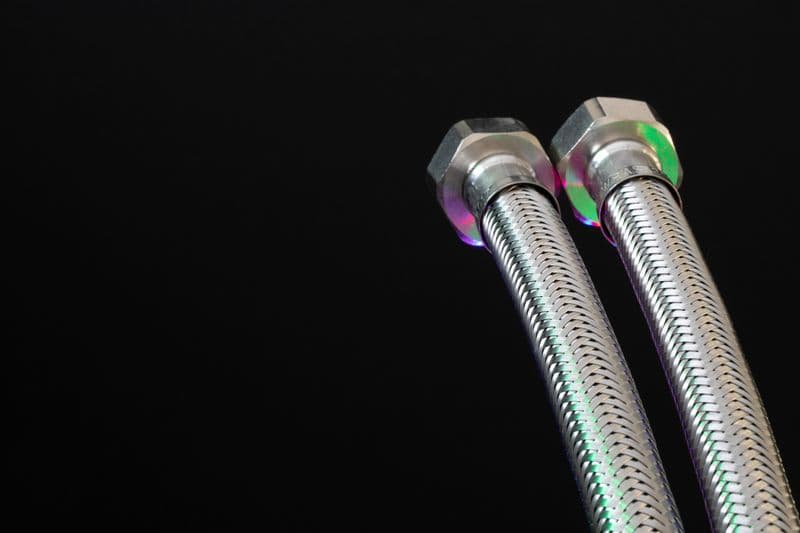
Understanding hydraulic threads: NPT, BSPT and BSPP
Hydraulic threads can look virtually identical, yet seal in fundamentally different ways. Learn to tell NPT, BSPT and BSPP apart by thread angle and sealing principle.
Read more →6 min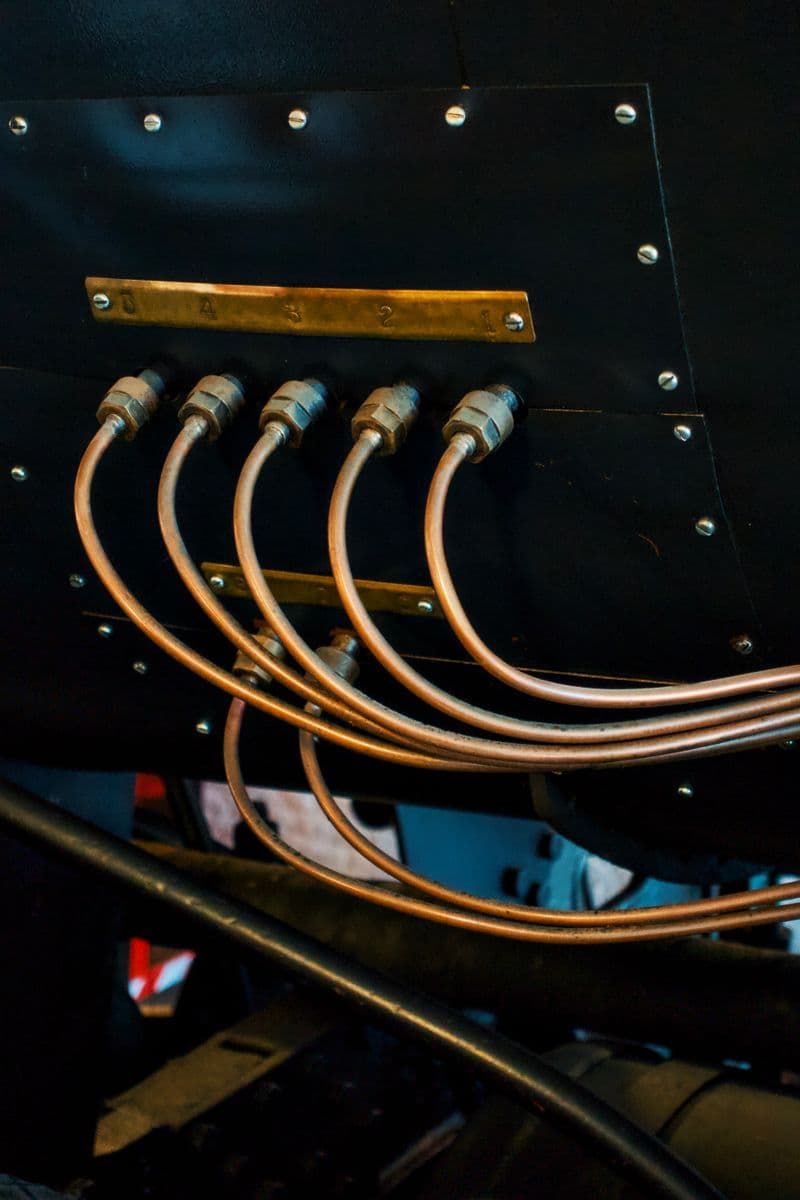
Common hydraulic connections: DKO, JIC, ORFS and SAE ORB
DKO, JIC, ORFS and SAE ORB are the most common hydraulic connections. Learn how each connection seals — 24° cone, 37° flare, O-ring face seal or O-ring boss — and how to identify the right fitting.
Read more →7 min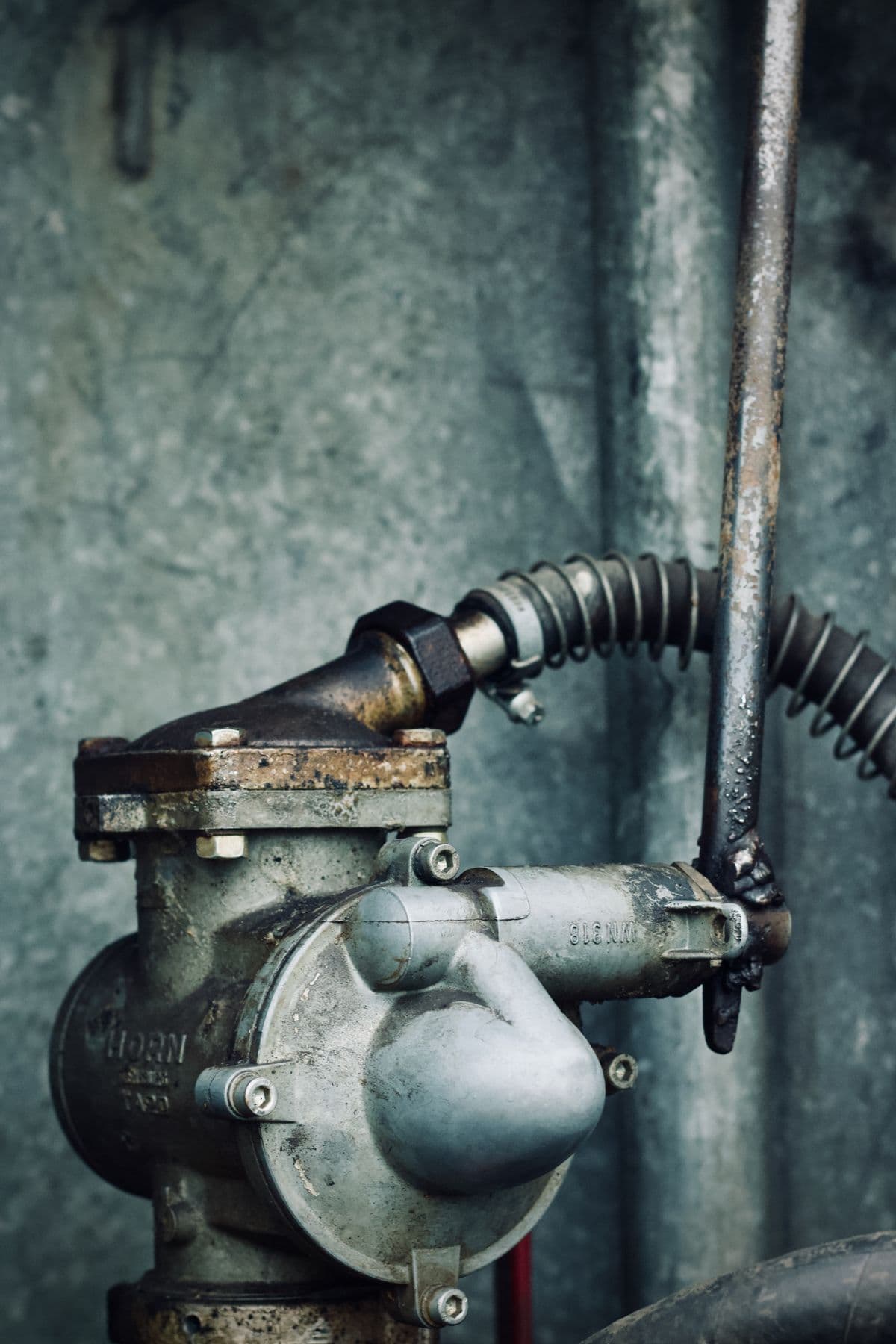
Hydraulic contamination explained
The four main types of hydraulic contamination — solid particles, water, air and chemical — where they come from, and how to keep them out of the system during maintenance with the right protective caps, plugs and covers.
Read more →6 min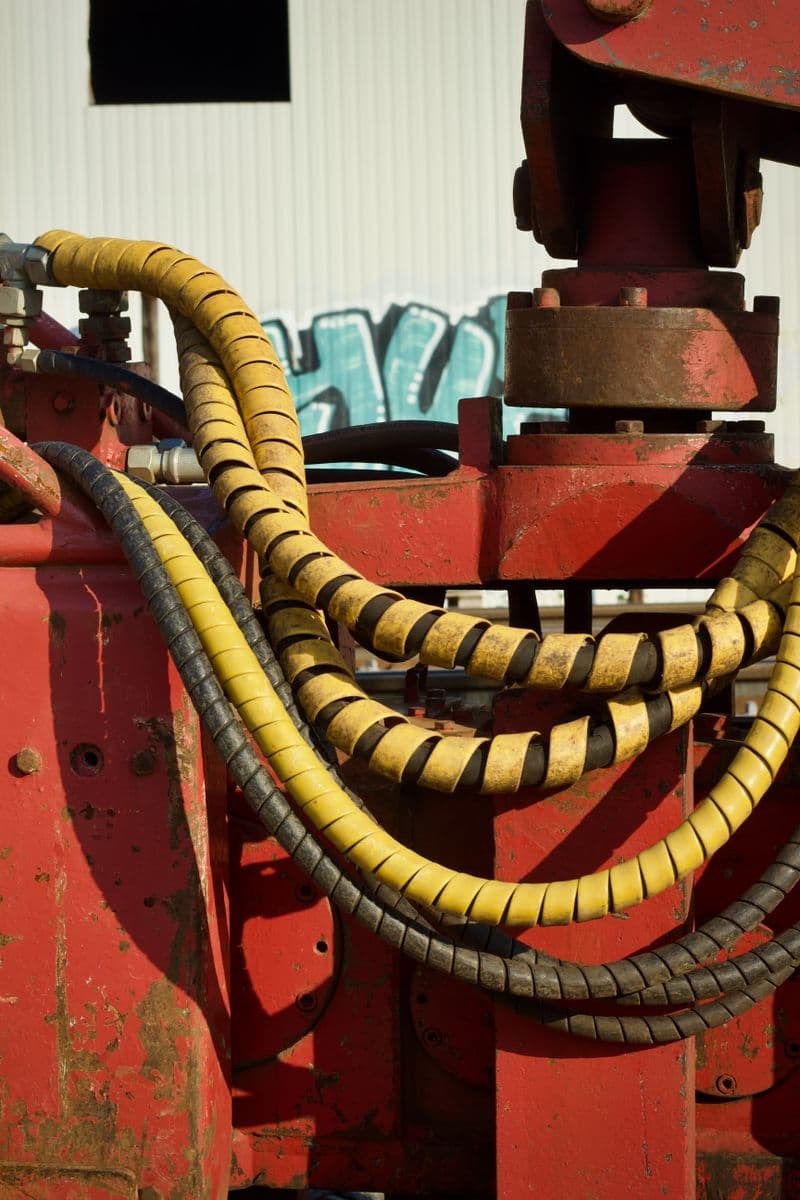
Spiral hose protection for hydraulic hoses and how to fit it
External abrasion is one of the most common causes of hose failure. Learn how spiral hose protection shields and bundles your hoses, and how the fitting tool lets you apply it quickly and without strain.
Read more →4 min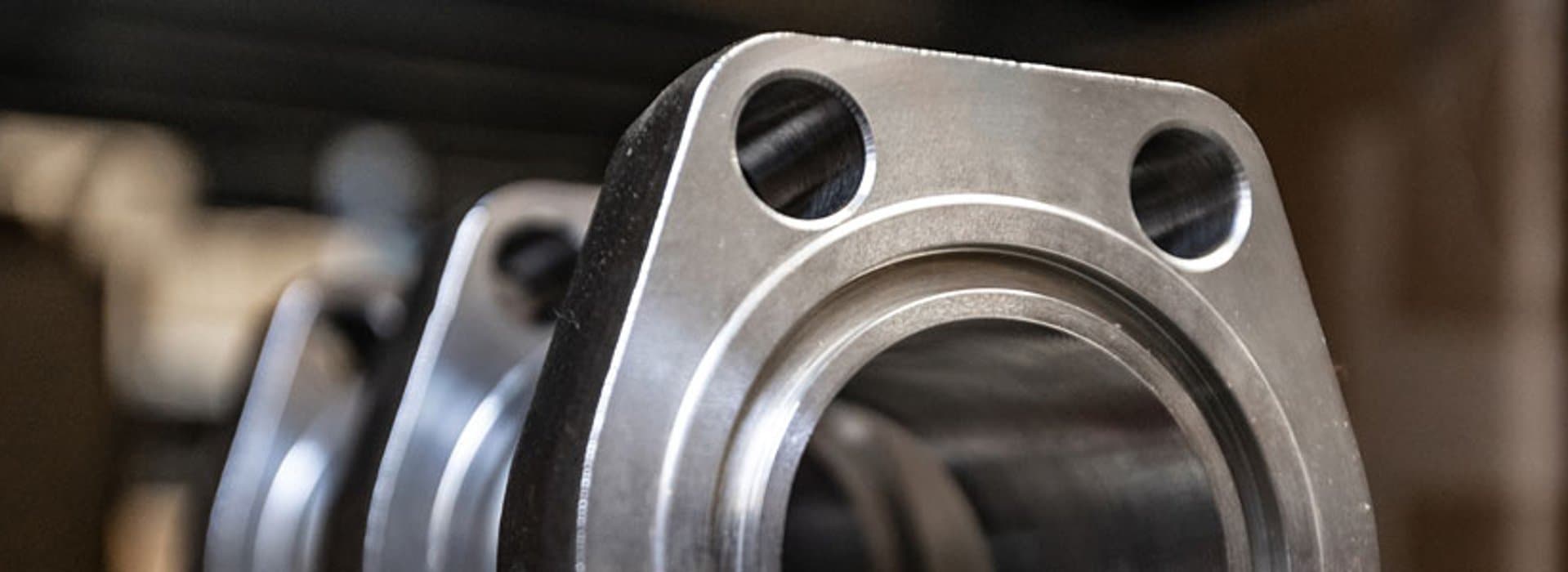
Protecting hydraulic flanges and pipe ends
Flange faces, O-ring grooves and open pipe ends are precision sealing surfaces. Learn why they are vulnerable during storage, transport and maintenance, and how flange protectors and pipe plugs keep them undamaged.
Read more →5 min
How to identify and measure a hydraulic connection
A simple, repeatable method to establish which connection you have and which size you need, so the protection actually fits: male or female, tapered or parallel, measuring and determining the standard.
Read more →6 minHeat-resistant protection for hydraulic components
Hydraulic components face high temperatures during stoving, coating and operation. Heat-resistant caps, plugs and flange protectors shield threads, bores and sealing faces where standard plastic fails — and this is how to choose them.
Read more →6 minFrequently asked questions
Which protection fits my hydraulic connections?
Tell us which risk you want to cover and our selection tool matches it to the right caps, plugs and protectors within seconds. A fitting protector is available for every connection in our range.
How do I prevent dirt and oil loss when lines lie open?
Fit service plugs and protective caps the moment a line is opened. They seal ports against contamination and limit oil loss during assembly and maintenance.
What protects a JIC, DKO or SAE flange connection?
Every connection has a matching protector: tapered caps for JIC and DKO cones, flange protection for SAE faces. Pick your connection in the connection guides and go straight to the right product.
Can I get free samples or a quote before I order?
Yes. We send free samples and prepare quotes quickly. Request samples or a quote and our specialists will confirm the right parts for your application.
30+ years
specialist in caps and plastics
15,000+
products in stock
Free
samples on request
Personal
technical advice
Not sure which protection you need?
Share your connections, sizes and application. Our specialists will advise the right caps, plugs and protectors, send free samples or prepare a quote.