
Protecting hydraulic flanges and pipe ends
Flange faces, O-ring grooves and open pipe ends are precision sealing surfaces. Learn why they are vulnerable during storage, transport and maintenance, and how flange protectors and pipe plugs keep them undamaged.
9 July 2026 · 5 min read
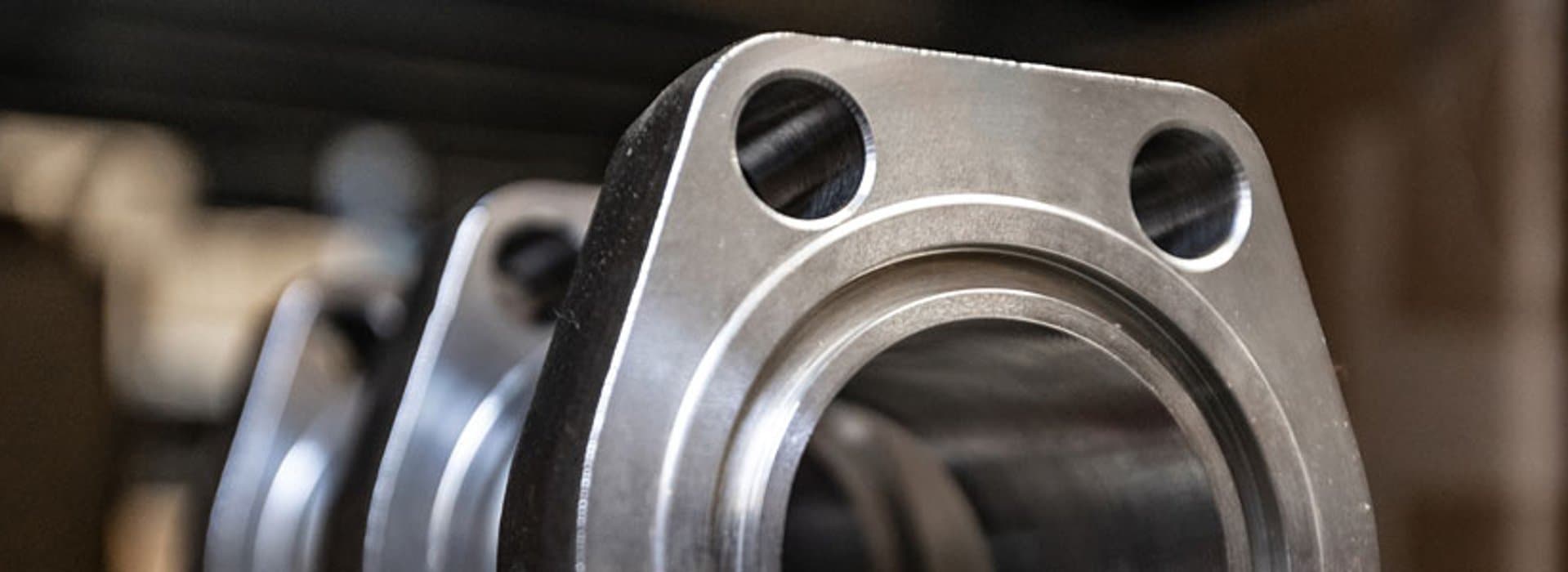
Flange faces and open pipe ends are precision sealing surfaces. One scratch across a flange face, a dented O-ring groove or dirt left in an open bore is enough to cause leakage as soon as the system comes under pressure. Most of that damage happens during handling, storage and transport — long before the component is ever installed. Protecting early is therefore one of the cheapest ways to prevent expensive failures down the line.
Why flanges and pipe ends are vulnerable
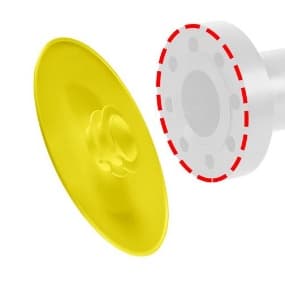
A flange connection seals because an O-ring is compressed between a flat, machined flange face and the mating face, held by the bolts. The seal depends entirely on three things staying perfect: the flatness of the mating face, the condition of the O-ring groove, and clean, undamaged bolt holes. Any burr, corrosion spot, paint mist or impact dent on those surfaces creates a leak path that no amount of torque can close again.
Open pipe and tube ends have a similar problem. The bore must stay clean and the sealing edge of the pipe must stay round and undamaged, ready to seat against a fitting. Leave a pipe end open and it collects dirt and moisture and is easily dented or crushed in a rack or crate.
Flange protection (SAE & DIN)
Push-in flange protectors centre themselves in the bore and cover the entire face: the sealing face, the O-ring groove and the bolt holes in one part. They are sized to the common flange standards, including SAE split flanges (Code 61 / 62) and DIN flanges.
What they protect
- The flat sealing face against scratches, impacts and corrosion
- The O-ring groove against dents and dirt
- The bolt holes and the bore against dirt and moisture
- The whole assembly against knocks during transport and rack storage
Pipe end and tube protection
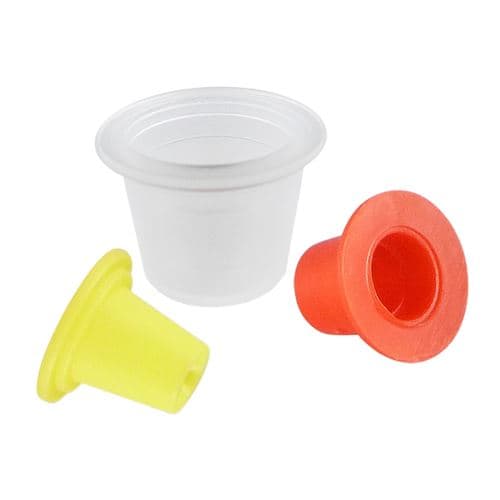
Ribbed push-in plugs and end caps close off open pipe and tube ends, keep the bore clean and protect the round sealing edge from dents during storage and transport. The ribs grip a range of inside diameters, so one plug covers several sizes, and they pull out cleanly as soon as the component is installed.
What they protect
- The internal bore against dirt, moisture and swarf
- The sealing edge of the pipe against dents and out-of-roundness
- External pipe threads, when a cap is used instead of a plug
When to protect
Flange and pipe end protection pays for itself across the entire life cycle, not just in transit:
- Production & assembly: fit the protection as soon as the parts are machined, before painting or further handling.
- Storage: keep mating faces and bores clean and dry on the shelf.
- Transport: cushions impacts on flange faces and pipe ends in racks and crates.
- Maintenance: re-protect every connection opened in the field until it is reassembled.
Protect the face, preserve the seal. A flange or pipe end is only as good as its sealing surface. An inexpensive protector fitted early prevents the scratches and dents that grow into leaks under pressure.
From the Verpas range · Pipe and flange protection