
Understanding hydraulic threads: NPT, BSPT and BSPP
Hydraulic threads can look virtually identical, yet seal in fundamentally different ways. Learn to tell NPT, BSPT and BSPP apart by thread angle and sealing principle.
9 July 2026 · 6 min read
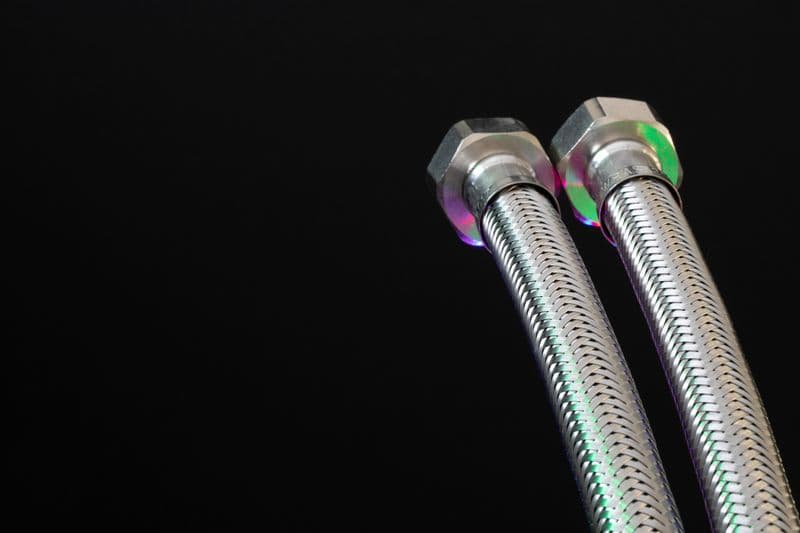
In hydraulic systems, threaded connections are often treated as interchangeable because they look alike at first glance. NPT, BSPP and BSPT, however, are fundamentally different standards that differ in thread geometry and sealing principle. The wrong choice leads to leakage, damaged components or system failure. This guide explains how to tell them apart with confidence — and why compatibility can never be judged on appearance alone.
NPT: National Pipe Tapered
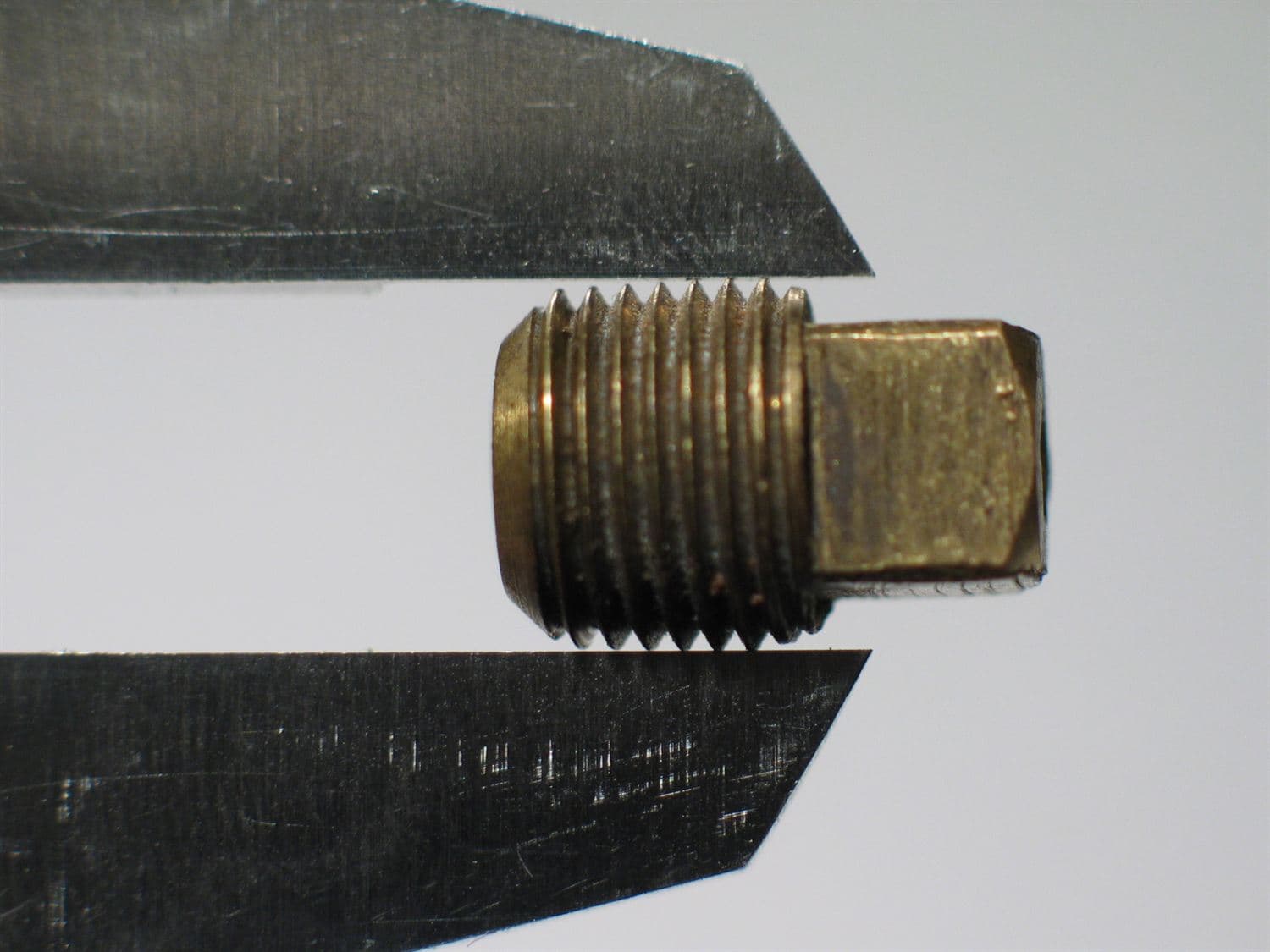
NPT is a widely used American standard for pipe threads in hydraulic and pneumatic applications. The thread is tapered: the diameter gradually decreases along the thread length, so the male and female threads wedge into each other as they are tightened.
The seal forms directly in the thread. As the connection is tightened, the thread flanks deform slightly under pressure and seal through mechanical interference. A sealant is therefore usually required, such as PTFE tape or liquid thread sealant. Torque and assembly technique matter: too loose leads to leakage, too tight damages the thread or the housing.
BSPT: British Standard Pipe Tapered
BSPT is the British counterpart of the tapered pipe thread system and is common in European, British and Asian hydraulic installations. Like NPT, the tapered thread wedges tight as it is tightened and seals in the same way: through thread interference, usually supported by a sealant.
The crucial difference is the thread profile, in particular the thread angle. BSPT uses a 55° thread angle, NPT a 60° angle. The two look alike and even partially engage, but they are mechanically incompatible and never form a reliable seal when mixed.
The core difference: how each thread seals
The most important distinction between these standards is not the thread size, but the sealing principle.
Thread-sealing systems: NPT & BSPT
NPT and BSPT both rely on tapered threads that seal through mechanical interference. As the connection is tightened, the threads wedge against each other and deform into a seal. In most applications a sealant such as PTFE tape or liquid thread sealant is needed for a fully leak-free connection.
Face-sealing systems: BSPP
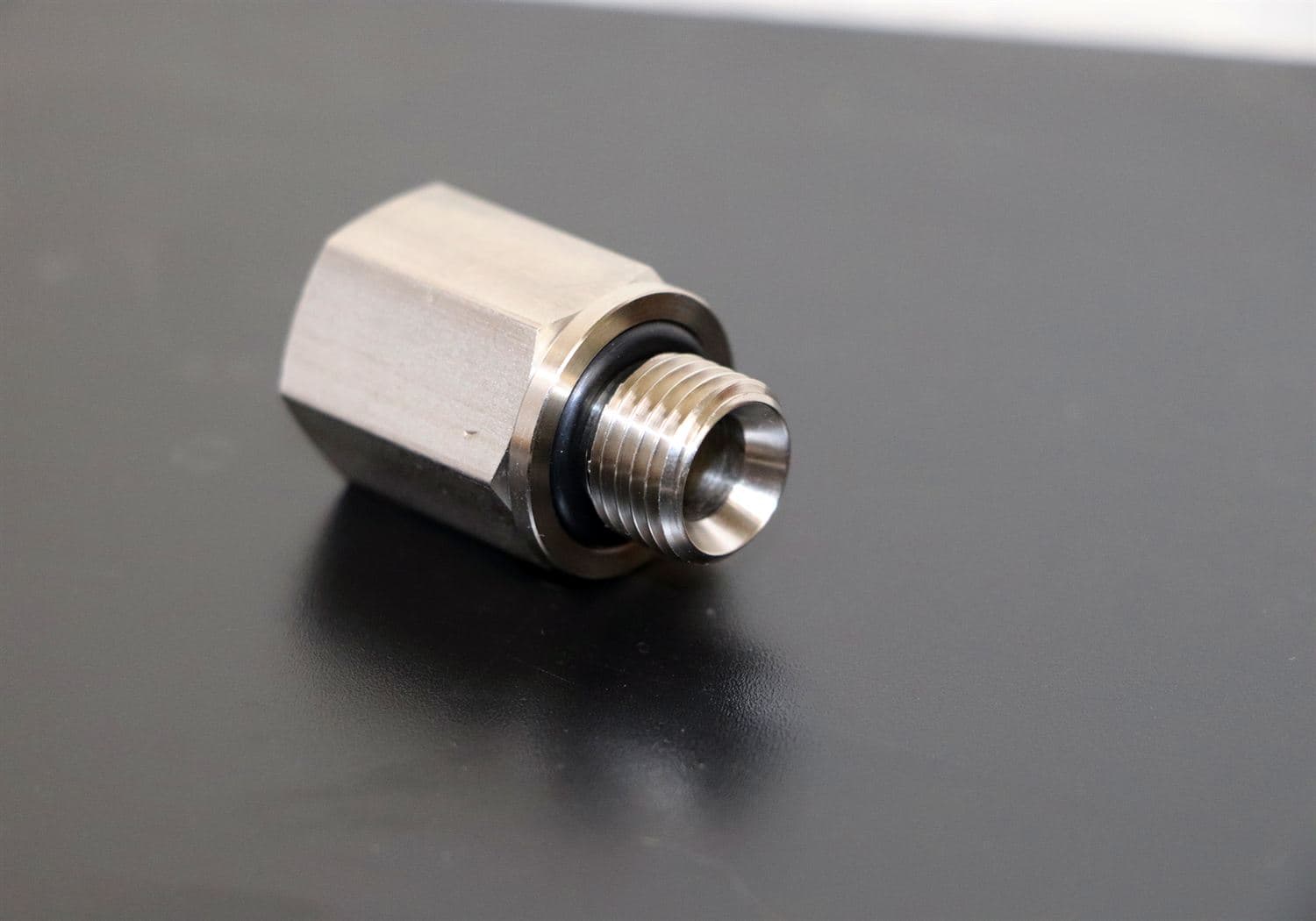
BSPP does not use the thread to seal. The parallel thread only has a mechanical clamping function; the seal comes from a separate element (O-ring, bonded seal or gasket) that is pressed against a dedicated sealing face. Because the thread does not contribute to the seal, BSPP generally performs more consistently and wears less under repeated assembly than tapered systems.
NPT, BSPT and BSPP side by side
Side by side, the distinction is clear: NPT and BSPT both taper and seal on the thread itself (only the thread angle differs), while BSPP is parallel and seals on a separate O-ring face.
NPT
National Pipe Tapered
Tapered · 60°
seals on the thread
BSPT
British Standard Pipe Tapered
Tapered · 55°
seals on the thread
BSPP
British Standard Pipe Parallel
Parallel · 55°
seals on an O-ring face
Why correct identification matters
Although NPT, BSPT and BSPP fittings can look similar on the outside, they are based on fundamentally different principles. NPT and BSPT seal through interference on tapered threads; BSPP combines a parallel thread with an external sealing face. For design, maintenance and component selection, correct identification is essential: mixing standards leads to partial engagement, leakage and damaged sealing faces.
Protect the thread, protect the seal. Once you have determined the thread type, the matching protective cap or plug keeps the sealing geometry clean and undamaged during storage, transport and maintenance.
Step 3 · Choose your thread protection