
Protecting NPT and NPTF threads
The North American tapered thread that seals on the thread itself — and why keeping that thread perfect is crucial.
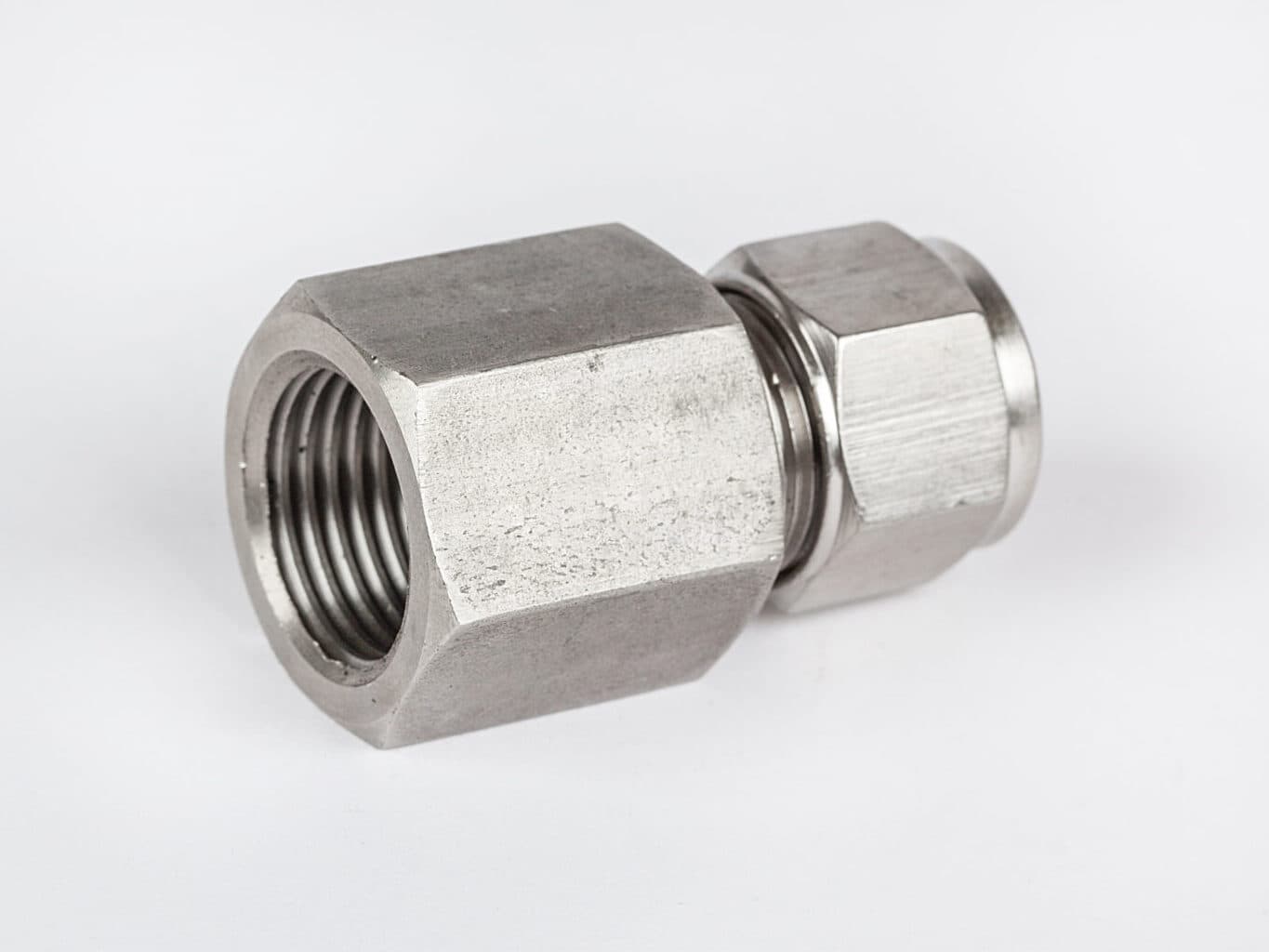
NPT is the tapered pipe thread that North American hydraulics runs on. Unlike a cone or O-ring connection, with NPT the thread itself is the seal: it wedges tight as it is tightened. That makes the thread the one surface you must not damage — NPT protection is therefore entirely about keeping the tapered thread clean and intact.
What is an NPT thread?
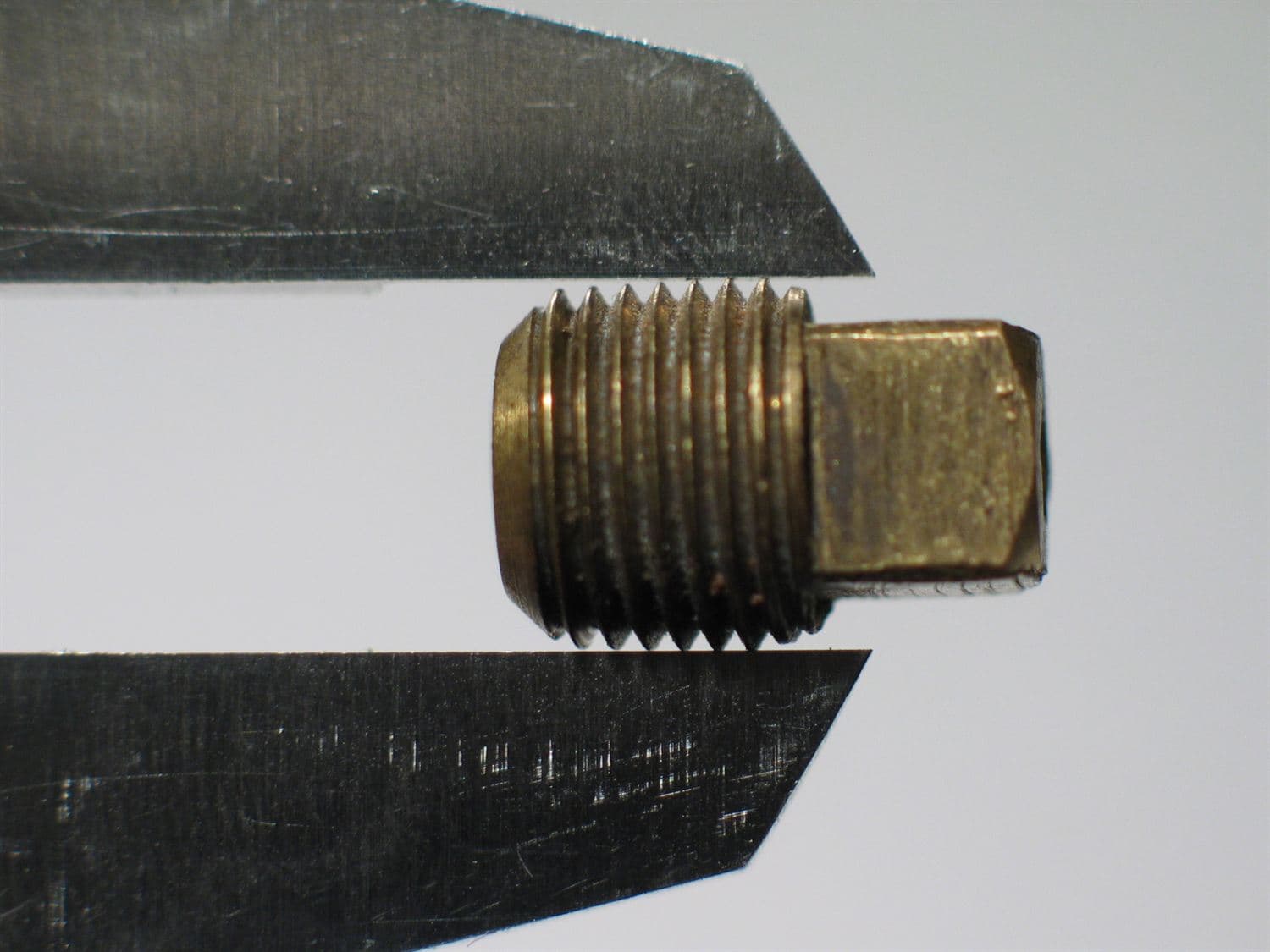
NPT (National Pipe Taper) is defined in ANSI/ASME B1.20.1 and uses a 60° tapered thread. As it is tightened, the thread flanks wedge against each other and form the seal, usually supported by a sealant or PTFE tape. NPTF (dryseal, ANSI B1.20.3) is machined to tighter tolerances and seals without a sealant. In both cases the thread is the seal.
How it seals
- 60° tapered thread form
- Seals on the thread flanks wedging tight
- NPT usually with sealant or PTFE tape
- NPTF (dryseal) seals without a sealant
Where NPT threads are used
NPT is the standard tapered pipe thread in North America, widely used on components and instrumentation. In industry it forms the gauge and auxiliary ports on pumps and accumulators. In fluid power it is the instrumentation port for pressure switches and sensors. On North American agricultural machinery it handles general line connections, and in wider plant engineering it serves auxiliary and drain lines.
How to check this is your application: if your thread is 60° and tapered (the diameter decreases along the length of the thread) and it seals on the thread itself, then NPT protection is the right family. Choose the cap by nominal pipe size.
What the protection must cover
Because the thread forms the seal, you judge NPT protection on how well it keeps the tapered thread clean and undamaged. The risks it protects against:
- Thread damage: dents and burrs on the taper, which leak directly
- Contamination: dirt and moisture settling in the thread
- Corrosion: moisture attacking the exposed thread during storage
- Cross-threading: caused by a damaged or contaminated lead thread at assembly
NPT at a glance
| Characteristic | Value |
|---|---|
| Standard | ANSI/ASME B1.20.1 (NPT), B1.20.3 (NPTF dryseal) |
| Thread form | 60° tapered |
| Seal | On the thread; NPT with sealant, NPTF without |
| Sizes | 1/8" to 2" NPT and larger |
| Region | North America |
Does this protection suit your application?
Before ordering, check that NPT protection matches your situation:
- Connection: 60° tapered thread that seals on the thread itself
- Size: nominal pipe size known and matching
- Environment: outdoor, dusty or damp storage and transport
- Medium: mineral oil or biodegradable hydraulic fluid
- Phase: production, storage and transport, or service and maintenance
Related guides
Recommended protection
These categories fit NPT connections:
Frequently asked questions
How does an NPT thread seal?
NPT is a 60° tapered thread that wedges tight as it is tightened and seals on the thread flanks, usually with a sealant. NPTF (dryseal) is machined to seal without a sealant. In both cases the thread itself is the seal.
Where are NPT threads used?
NPT and NPTF are the standard tapered pipe threads in North American hydraulic and general industrial systems.
Why is protecting an NPT thread so important?
Because the thread forms the seal, any dent, burr or corrosion spot on the thread can cause a leak. Caps keep the tapered thread clean and undamaged during storage, transport and handling.
Is NPT the same as BSP?
No. NPT uses a 60° thread form and BSP the 55° Whitworth form; they are not compatible, even though the sizes sometimes look alike.
How do I get the right protection for an NPT thread?
Start with what needs covering on an NPT thread: the tapered thread that forms the seal. Choose a cap for your nominal pipe size — the recommended protection above is the starting point. Then request free samples or a quote; our specialists will confirm the exact parts for your application.