How to identify and measure a hydraulic connection
A simple, repeatable method to establish which connection you have and which size you need, so the protection actually fits: male or female, tapered or parallel, measuring and determining the standard.
9 July 2026 · 6 min read
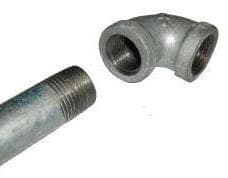
The right cap or plug depends entirely on two things: the connection type and the size. Order by guesswork and the protection falls off or does not fit. This guide walks through a repeatable method using simple tools — a calliper and a thread gauge — to identify a connection and measure it right first time.
Step 1: Is the connection male or female?
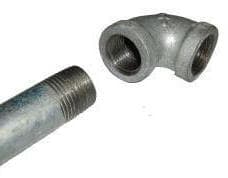
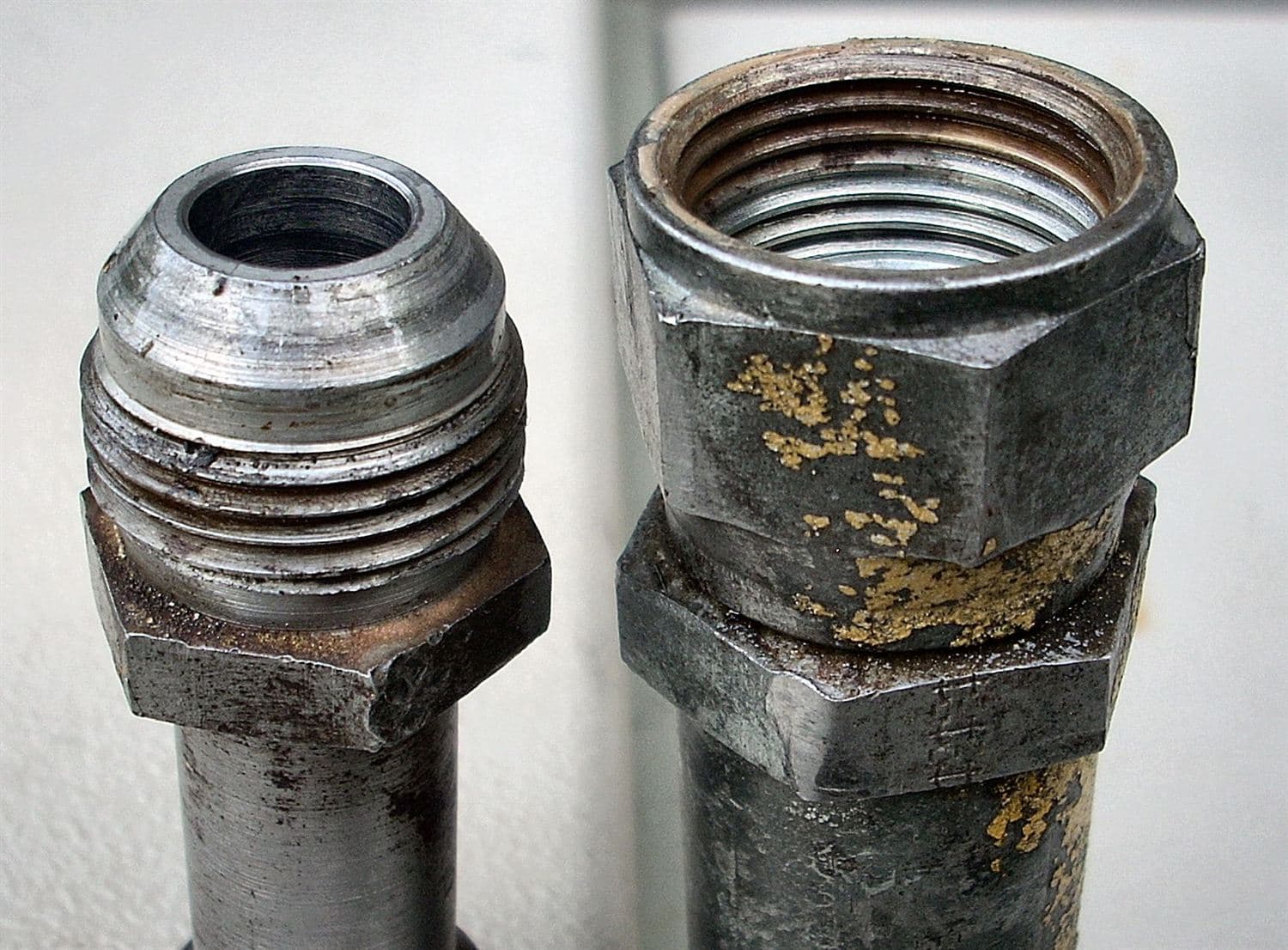
Start with the simplest question, because it determines whether you need a cap or a plug. A male connection has the thread or sealing element on the outside and is protected with a cap that fits over it. A female connection has the thread or seat inside a port and is protected with a plug that fits into it. Get this right and half the selection is already done.
Step 2: Thread or seat? Tapered or parallel?
Next, look at the geometry. Does the sealing happen on a thread, or on a separate seat such as a cone, flare or flat sealing face? If it is a thread: is it tapered (visibly conical, narrowing towards the tip) or parallel (constant diameter)? Tapered threads usually seal on the thread itself; parallel threads only clamp, while an O-ring or seat does the sealing. You will find all the details per type in understanding hydraulic threads and common hydraulic connections.
Step 3: Measuring
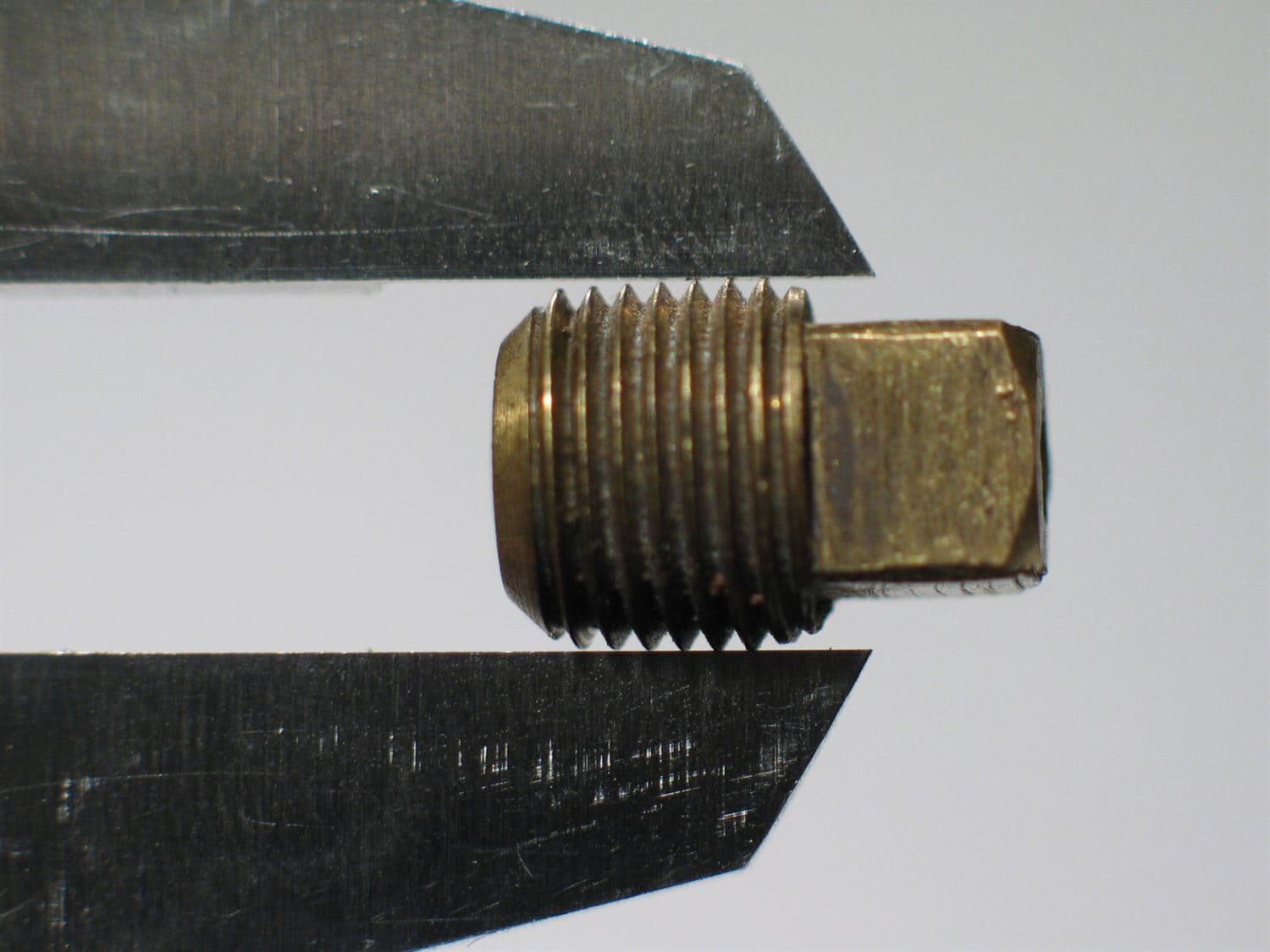
Once the type is known, take the measurements:
- Diameter: use a calliper to measure the outside diameter of a male thread, or the inside diameter of a female port.
- Pitch: use a thread gauge, or count the number of threads over a fixed length, for the pitch or threads per inch.
- Spanner size: note the hex size — a useful check alongside the connection size.
As a rule of thumb: a cap is chosen on the outside diameter of the male connection, a plug on the inside diameter of the female port.
Step 4: Match the measurements to a standard
Diameter and pitch together point to a standard. Use the sealing method and the angle as the deciding clue: two connections can have a similar size and yet seal completely differently.
| Standard | Thread | Identifying feature | Seals on |
|---|---|---|---|
| NPT | Tapered | Conical, 60° (US) | The thread |
| BSPT | Tapered | Conical, 55° (EU / UK) | The thread |
| BSPP | Parallel | Straight, 55° | O-ring / bonded seal |
| JIC | UNF, straight | 37° flare cone | Metal-to-metal cone |
| DKO | Metric / BSP | 24° cone with O-ring | Cone O-ring |
| ORFS | UNF, straight | Flat sealing face with O-ring | O-ring on the face |
| SAE ORB | UNF, straight | O-ring at the boss | O-ring boss |
You will find all the details on telling thread types apart in understanding hydraulic threads; for cone, flare and face-sealing connections, read common hydraulic connections.
Step 5: Choose the matching protection
With male or female, the size and the standard in hand, the protection follows naturally: a cap for a male thread or seat, a plug for a female port — in the measured diameter. For tapered and parallel threads, cones, flares and flat sealing faces there is a matching cap or plug in the range.
Measure once, order right first time. Five minutes with a calliper and a thread gauge prevent the most common cause of returns: protection that does not fit the connection.
From the Verpas range · Caps for male, plugs for female