
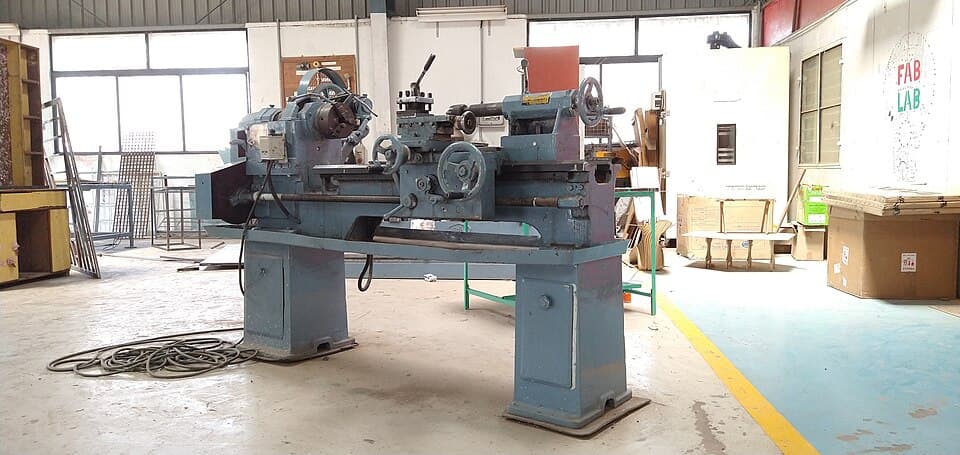
Stability for every machine and floor
Keep machines level, in place and quiet — from the workbench to the heaviest machine tool.
The right installation starts with understanding the machine.
Levelling feet, anti-vibration mounts and rubber bushes are small parts that keep a machine level, quiet and in place. Whether it wobbles on an uneven floor, walks away under vibration or stands in a washdown zone: Verpas has a fitting set-up for virtually every machine.
Where machines lose their stability
Instability rarely has a single cause. Establish what is happening under the machine and match it to the right set-up.
Vibration & noise
A machine bolted down rigidly pumps its vibrations straight into the floor and the surrounding structure. The result: noise that can be felt throughout the building, fasteners that vibrate loose and fatigue in the machine itself.
Solution
Isolate the machine, so the vibration stays in the frame and never reaches the floor or structure.
Creeping & "walking" machines
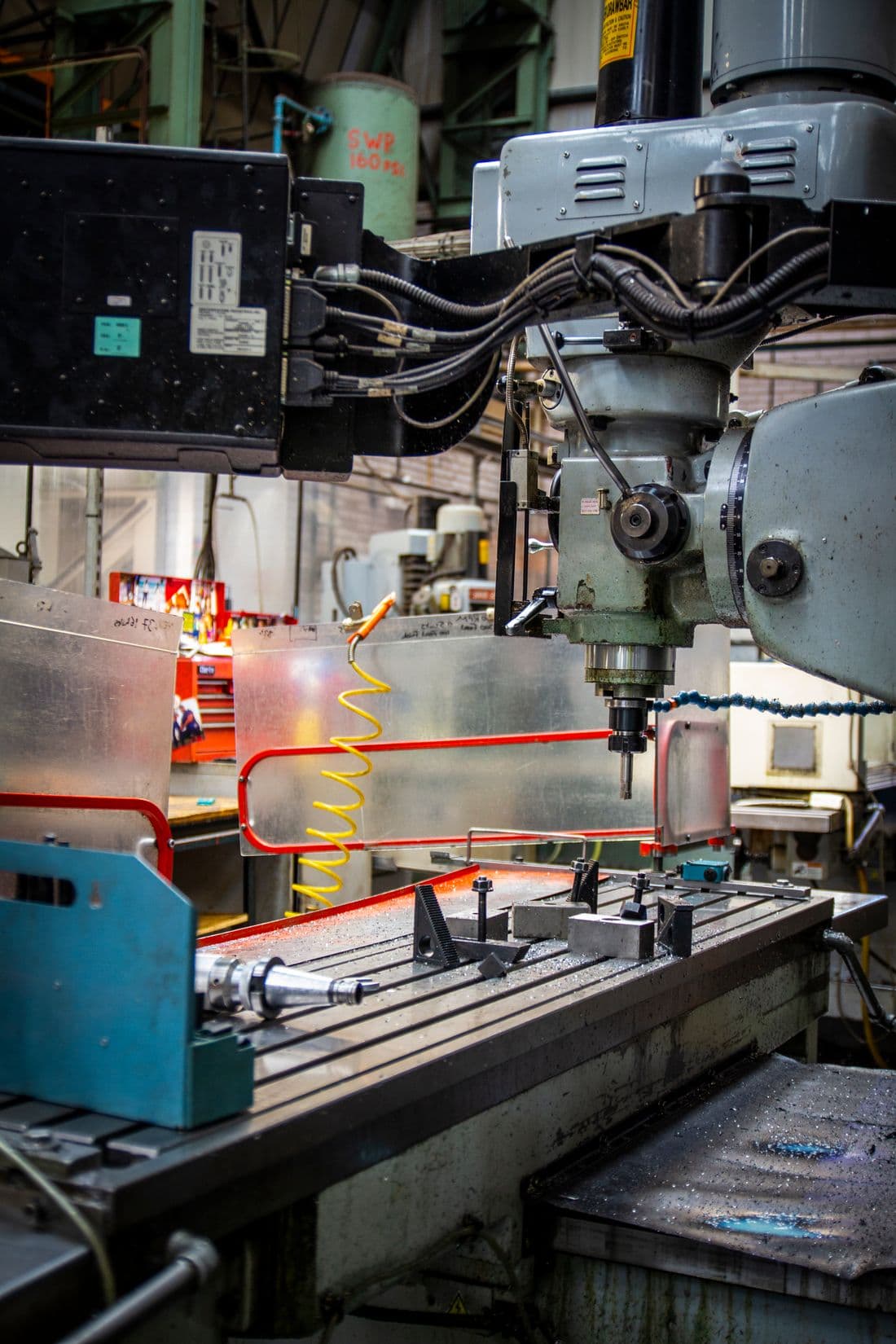
Under vibration, an unanchored machine slowly walks across the floor. It pulls on lines, disturbs alignment and becomes a safety risk as cable trays, hoses and guarding come under strain.
Solution
Damp the vibration and anchor the machine to the floor in one part, so it stays put.
Uneven & soft floors
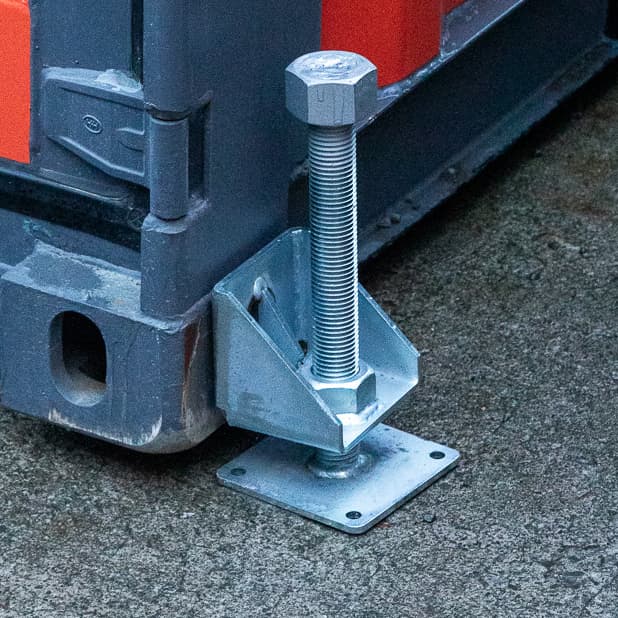
A machine resting on three of its four feet wobbles, loads its frame unevenly and loses precision. Worn, sloping or soft floors make it worse — and one shimmed-up leg is never a lasting solution.
Solution
Take up the unevenness at every leg, and stand flat where the floor slopes.
The right set-up at every stage
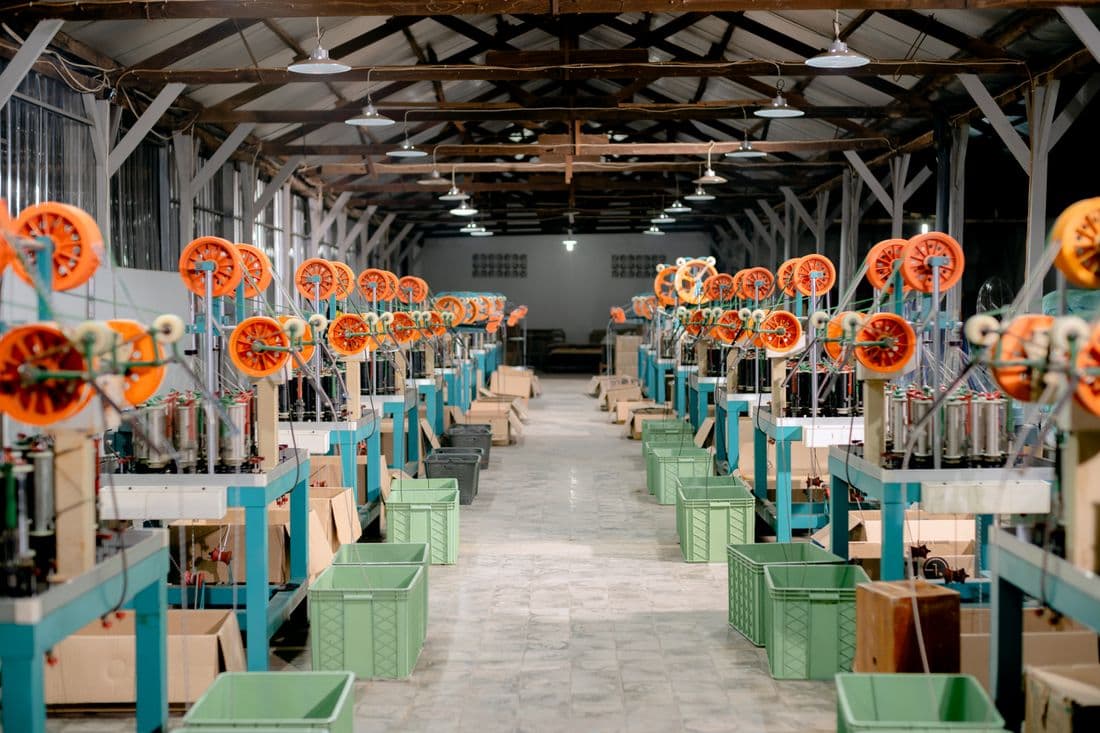
From first installation to periodic maintenance: the right set-up keeps a machine level, quiet and safe.
Installing & aligning
A machine is only as accurate as its foundation. Set it level from day one, so frames are not under stress and precision is preserved.
- Levelling feet to set the height and take up unevenness
- Ball-joint feet to stand flat on sloping or cast floors
Running & isolating
In operation, the task is: keep vibration in the machine and out of the floor, the structure and the operator.
- Anti-vibration mounts to isolate and anchor presses, pumps and fans
- Rubber bushes to isolate vibration at bolted joints and linkages
Maintaining & re-levelling
Floors settle, rubber ages and machines get moved. Check the set-up periodically and replace worn mounts.
- Anti-vibration levelling feet that level and damp in one part
- Hygienic stainless steel feet for food and washdown lines
Find the right machine foot or mount
Choose your floor and environment — dry factory floor, washdown, corrosive or light duty — and instantly see the feet and mounts that fit.
Start the selection guideGuides on levelling and vibration control
Specialist explanations of levelling, vibration isolation and load, so you match the right feet and mounts to every machine.
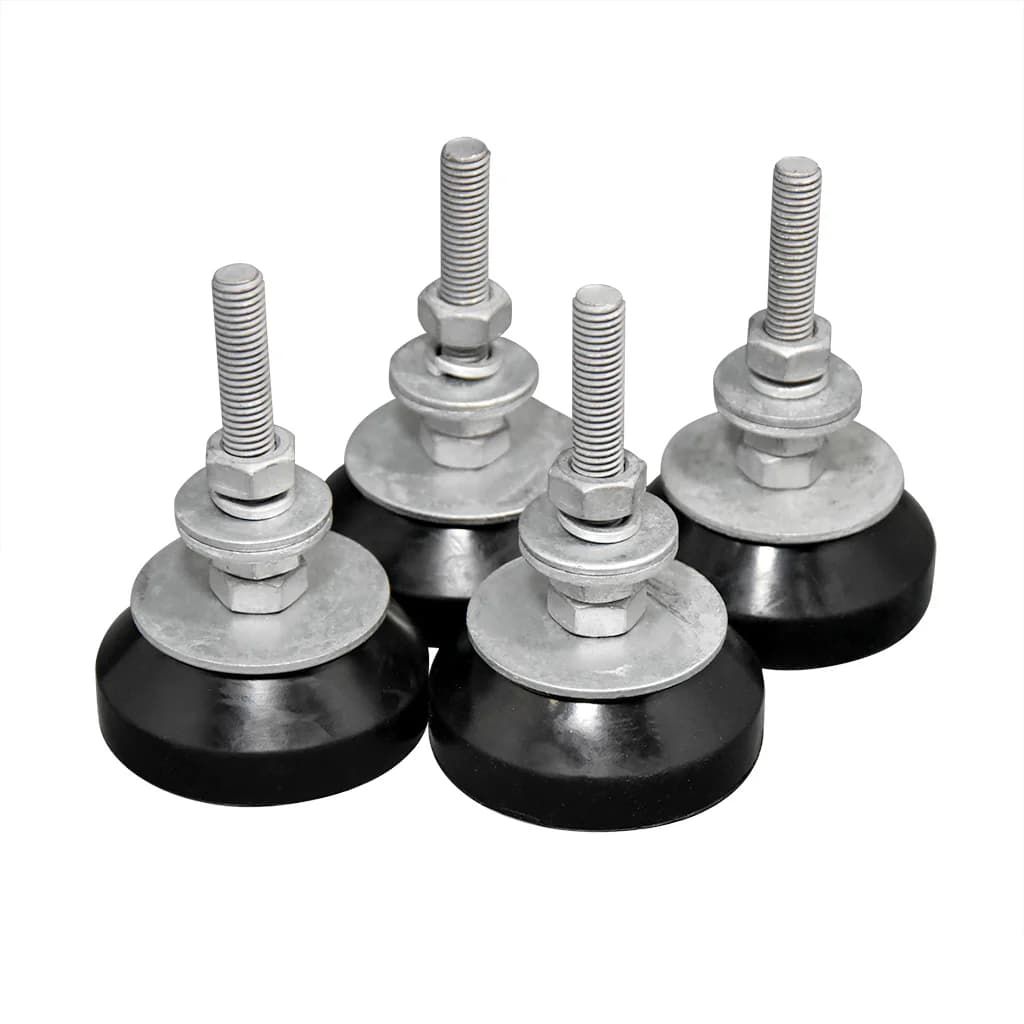
Choosing machine feet: mounting, load, foot and floor
A machine foot only does its job when four things are right: how it is fixed to the machine, the load it carries, the foot material and the floor it stands on. Work through them step by step.
Read more →5 min
Reducing machine vibration and noise
Vibration is energy looking for a path. Isolation works by denying it a rigid one. This is the principle behind it — and how to choose the right mount.
Read more →5 min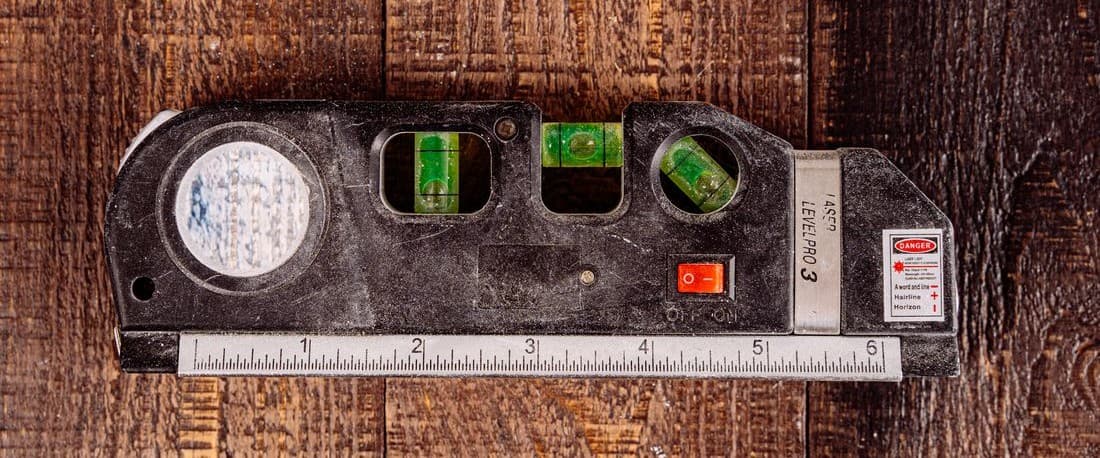
Levelling a machine on an uneven floor
A machine is only as accurate as its foundation. This is a repeatable method to get every foot loaded, set the machine exactly level and lock the setting in.
Read more →5 min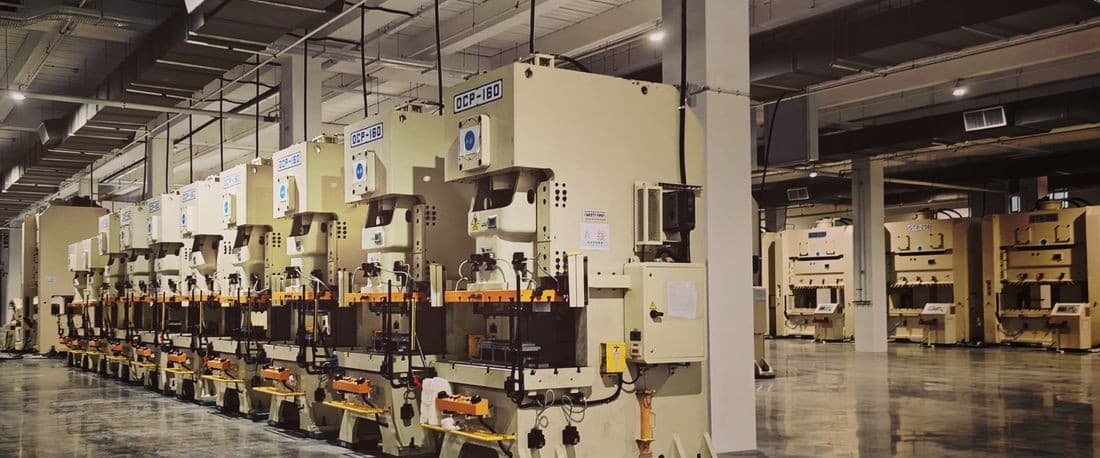
Anti-vibration mounts explained
A rubber-metal anti-vibration mount isolates vibration and anchors the machine in one part. The art is matching the rubber to the weight resting on it.
Read more →4 min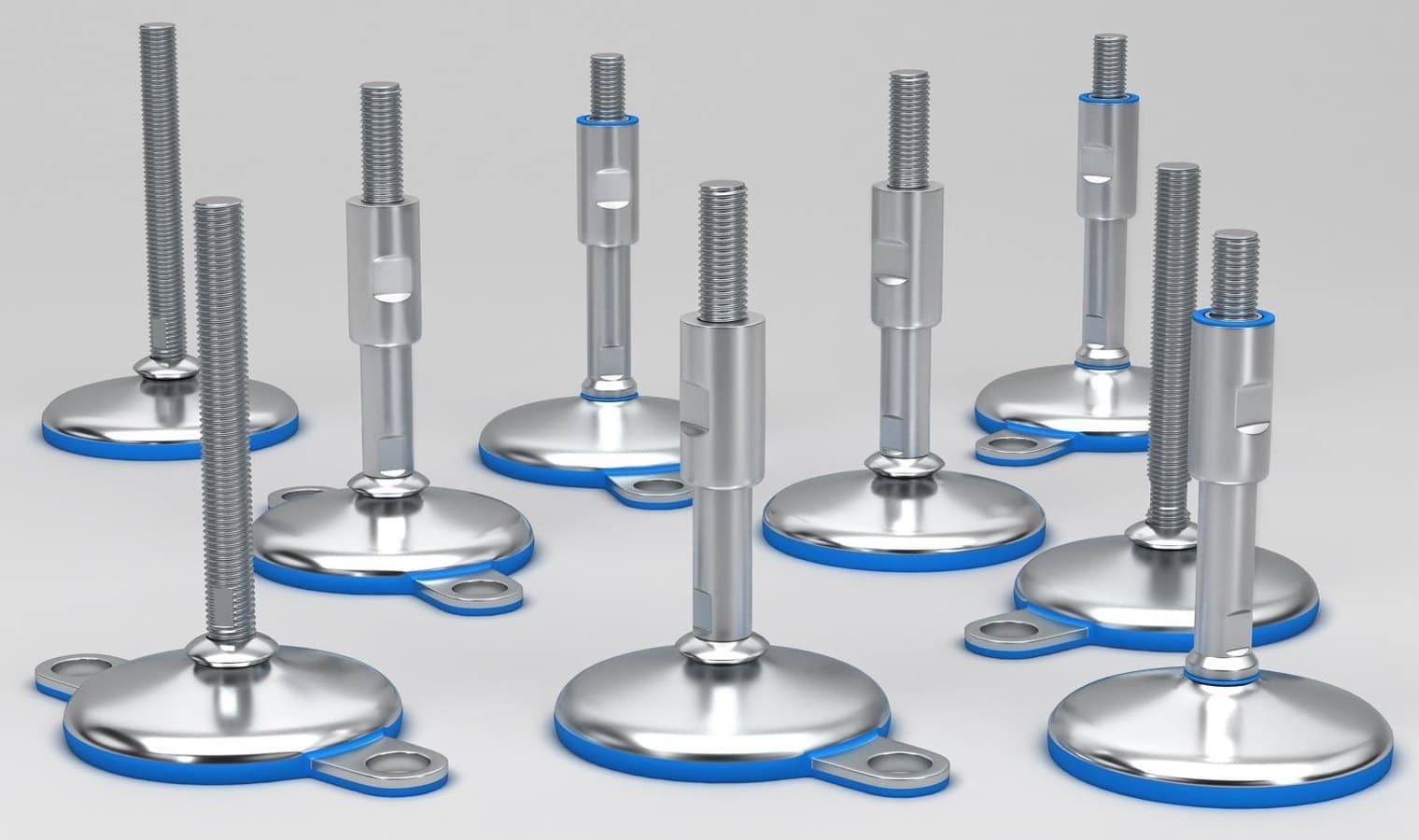
Hygienic levelling feet for washdown zones
In food and pharma, the foot under a machine is itself a hygiene risk. This is what sets a hygienic levelling foot apart from an ordinary one.
Read more →4 min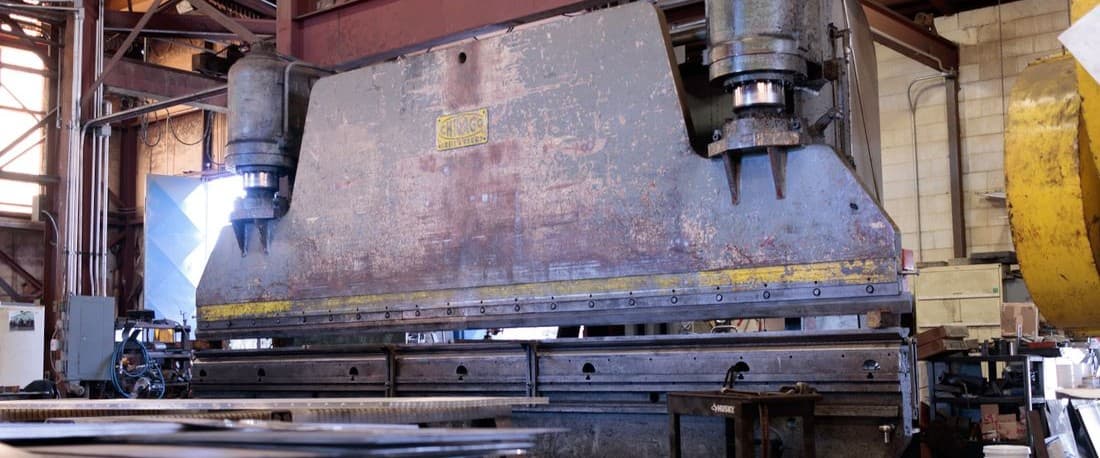
Load capacity and safe mounting
Getting the load right is the difference between a levelling foot that holds for years and one that creeps, sinks or fails. This is how to calculate it.
Read more →4 minFrequently asked questions
How do I choose the right machine foot?
Three things determine the choice: the thread size (M8 to M30), the load per foot, and the floor and environment. Share the machine weight, the footprint and the thread — our specialists will size it for you.
What is the difference between a levelling foot and an anti-vibration mount?
A levelling foot sets the height and takes up an uneven floor. An anti-vibration mount isolates vibration and anchors the machine. Anti-vibration levelling feet combine both in one adjustable part.
How do I stop a machine from "walking" across the floor?
Walking is caused by vibration acting on an unanchored machine. Bolted-down anti-vibration mounts damp the vibration and fix the machine to the floor — that stops the creeping.
How do I calculate the required load capacity?
Take the machine weight, add a margin for dynamic forces and divide that across the feet, allowing for uneven distribution. We will check your calculation against the rated load per mount.
Which feet suit an uneven or sloping floor?
Articulating ball-joint feet tilt up to around 15°, so the entire base plate touches the floor and the load is spread evenly instead of pressing on one edge.
Can I order free samples before committing to a volume?
Yes. Let us know which types and sizes you are considering and we will send representative samples, so you can check fit and load before the bulk order.
Discover our other solutions
30+ years
specialist in caps and plastics
15,000+
products in stock
Free
samples on request
Personal
technical advice
Keep every machine level, in place and quiet
Share the weight, the footprint and the floor. Our specialists will size the right feet, mounts or bushes and confirm the load per mount.