
Hydraulic contamination explained
The four main types of hydraulic contamination — solid particles, water, air and chemical — where they come from, and how to keep them out of the system during maintenance with the right protective caps, plugs and covers.
9 July 2026 · 6 min read
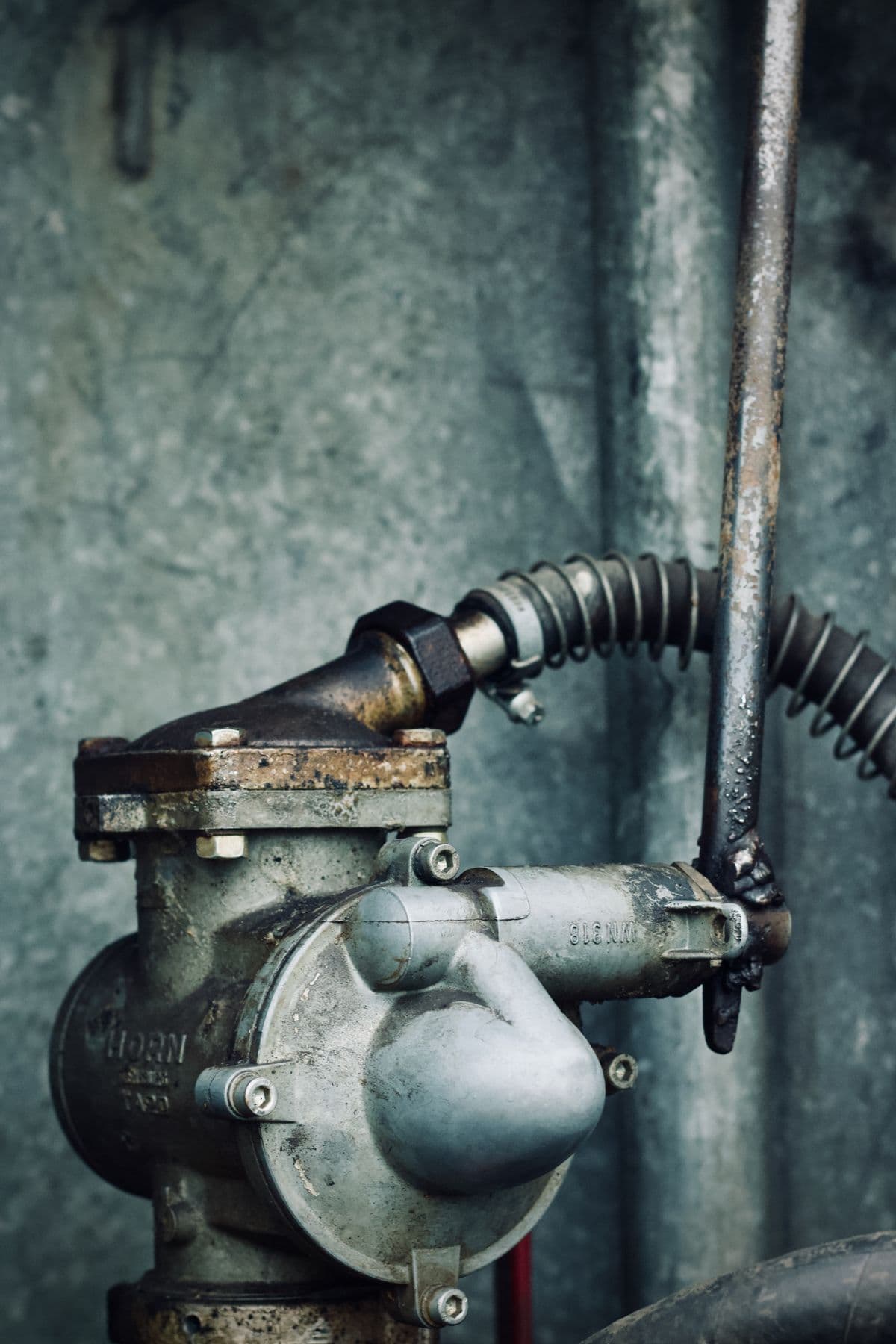
Hydraulic systems are extremely sensitive to contamination. Microscopic particles can disrupt sensitive components and lead to costly downtime. Understanding how contamination enters a system — and how to keep it out during maintenance — is essential to protecting your installations. To prevent contamination effectively, it helps to know the four main types and where they come from.
Solid particles (dirt, dust, metal, fibres)
This is the most common and most damaging form of contamination in hydraulic systems. These particles cause abrasive wear in pumps and valves, clogged orifices and filters, accelerated seal damage and increasing internal leakage.
During maintenance they typically enter through open hydraulic lines and ports, dirty tools or rags, contaminated new components or oil, or insufficiently clean workshop conditions.
The most effective defence is controlling ingress at the source and monitoring the oil cleanliness class: seal the system at the moment it is opened.
From the Verpas range: protective caps and service plugs, thread protection plugs, hose protection and flange protection seal connections at the moment they are opened.
Water (moisture)
Water is one of the most damaging contaminants in hydraulic oil. It enters through open reservoirs exposed to air, improper storage of hydraulic oil or contaminated top-up containers. The result: corrosion of internal components, reduced lubrication, sludge formation, oil degradation and a higher risk of pump cavitation.
To prevent water contamination, it is essential to keep systems sealed and control exposure to air and moisture — especially during maintenance and topping up.
From the Verpas range: sealing caps and plugs and protective storage components prevent moisture from entering at any stage.
Air (gaseous contamination)
Air contamination occurs when air becomes entrained or dissolved in the hydraulic oil. This can cause cavitation damage in pumps, erratic cylinder movement and unstable pressure. Air usually enters through loose fittings after reassembly, an incorrect bleeding procedure or a falling oil level during service work.
Proper sealing and correct reassembly procedures are essential to keep air out.
From the Verpas range: high-quality fittings, flange sealing systems and assembly-support components help reassemble leak-free and prevent air ingress.
Chemical contamination
Hydraulic oil is chemically sensitive. Over time the oil can degrade or react with other substances, especially when different fluids are mixed or the oil is exposed to heat and moisture. This leads to seal swelling or shrinkage, sludge and varnish formation, loss of lubricating properties and declining performance of the entire system.
Chemical contamination typically arises from mixing different fluids, using unsealed or dirty containers, or incorrect top-up procedures. Prevention requires careful handling, correct identification and clean, sealed storage.
The four types of contamination compared
Although each type has a different cause, in a real system they often occur together. Side by side along one oil line the contrast is clear: abrasive solid particles, water and moisture, entrained air and chemical degradation each change the hydraulic oil in their own way.
The bottom line: close every entry point
Hydraulic contamination rarely has a single cause. It is the result of multiple small entry points that open up during maintenance and handling. Verpas offers solutions that remove exactly those entry points: protection while disconnecting, sealing during storage and transport, clean handling when transferring oil and reliable sealing on reassembly.
Step 3 · Seal your system's entry points