
Protecting BSP, BSPP and BSPT threads
The British thread standard in European and industrial hydraulics — and how to keep the thread and sealing face clean and undamaged.
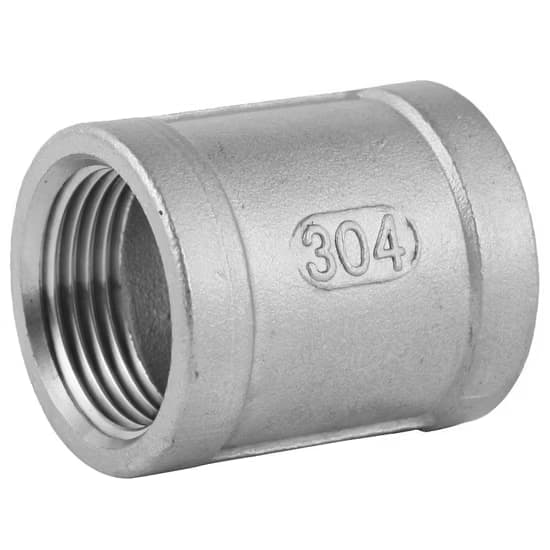
BSP is the British thread you encounter everywhere in European, British and Asian hydraulics. It comes in two forms that seal differently: BSPP is parallel and seals on a face or O-ring, BSPT is tapered and seals on the thread itself. That difference determines what the protection has to cover; this page therefore lays out both forms and shows where they are used.
What is a BSP connection?
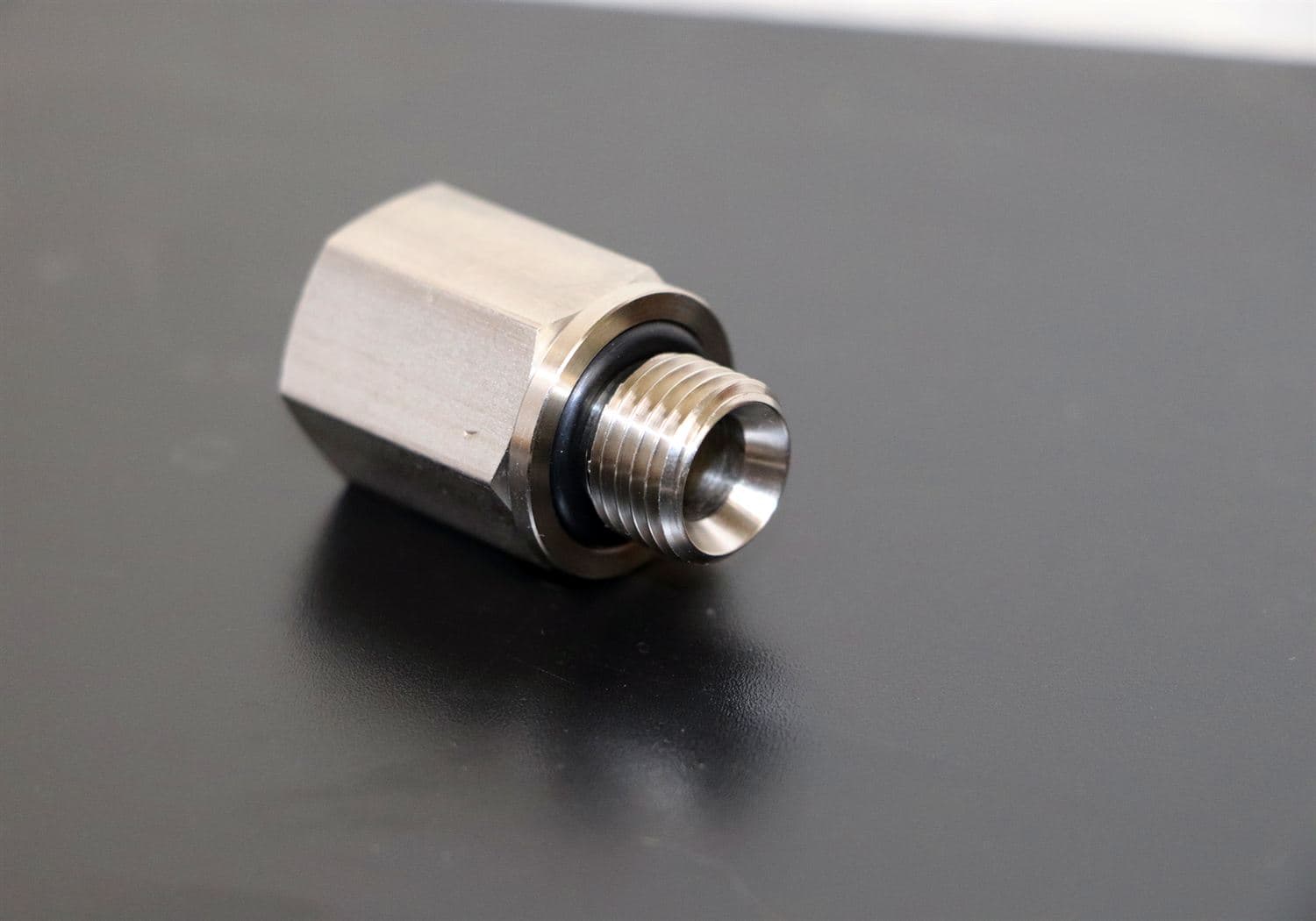
BSP threads (British Standard Pipe) use the 55° Whitworth form and are standard across virtually all European hydraulics. BSPP, the parallel version to ISO 228, seals on a bonded seal, O-ring or flat sealing face. BSPT, the tapered version to ISO 7 (EN 10226), wedges tight and seals on the thread flanks. The two are often combined — a BSPT male in a BSPP female — so it is important to know which one you have.
How it seals
- 55° Whitworth thread form
- BSPP parallel: seals on a bonded seal, O-ring or flat sealing face
- BSPT tapered: seals on the thread itself
- Sizes designated in G (parallel) and R (tapered)
Where BSP threads are used
BSP is the standard thread in virtually the whole world outside North America. In European agriculture it forms the port and coupling connections on implement couplers and front loader valves. In industry it serves the clamping and lubrication lines of machine tools and hydraulic power units. In the marine and offshore sector it provides the rugged threaded connections on deck machinery and steering gear, and on compact European mobile machines it handles the general working circuits.
How to check this is your application: if your thread is 55° Whitworth and designated in G or R sizes, then BSP protection is the right family. Check whether it is parallel (BSPP) or tapered (BSPT), so the cap or plug covers the right sealing surface.
What the protection must cover
With BSPT the thread is the seal, so it must stay perfect. With BSPP the sealing face or O-ring matters most. The risks the protection guards against:
- Thread damage: critical on tapered BSPT, where the thread itself seals
- Contamination: dirt, moisture and paint residues in the thread or seat
- Impacts: knocks that deform the thread or the sealing face
- Corrosion: moisture attacking the exposed thread during storage
BSP at a glance
| Characteristic | Value |
|---|---|
| Standard | ISO 228 (BSPP parallel), ISO 7 / EN 10226 (BSPT tapered) |
| Thread form | 55° Whitworth |
| BSPP seal | Bonded seal, O-ring or flat sealing face |
| BSPT seal | On the thread |
| Sizes | G / R 1/8 to 2 and larger |
| Region | Europe, UK, Commonwealth, Asia |
Does this protection suit your application?
Before ordering, check that BSP protection matches your situation:
- Connection: 55° Whitworth thread, parallel (BSPP) or tapered (BSPT)
- Size: G or R size known and matching
- Environment: outdoor, dusty or damp storage and transport
- Medium: mineral oil or biodegradable hydraulic fluid
- Phase: production, storage and transport, or service and maintenance
Related guides
Recommended protection
These categories fit BSP connections:
Frequently asked questions
What is the difference between BSPP and BSPT?
BSPP is a parallel thread that seals on a bonded seal, O-ring or flat sealing face. BSPT is a tapered thread that seals on the thread itself. Both use the 55° Whitworth thread form and are often used together.
Where are BSP threads used?
In European, British, Commonwealth and Asian hydraulics, in general industrial machinery, agricultural implements and mobile systems.
What needs protecting on a BSP connection?
With BSPT the thread is the seal, so it must stay undamaged. With BSPP the sealing face or O-ring seat matters most. Plugs and caps protect both against dirt, moisture and impacts.
Is BSP compatible with NPT?
No. BSP uses the 55° Whitworth thread form and NPT a 60° form; they are not compatible, even though the sizes sometimes look alike. Each needs its own protection.
How do I get the right protection for a BSP thread?
Start with what needs covering on a BSP thread: the thread itself on tapered BSPT, or the sealing face and O-ring on parallel BSPP. Choose a plug or cap for your G or R size — the recommended protection above is the starting point. Then request free samples or a quote; our specialists will confirm the exact parts for your application.