
Reducing machine vibration and noise
Vibration is energy looking for a path. Isolation works by denying it a rigid one. This is the principle behind it — and how to choose the right mount.
9 July 2026 · 5 min read
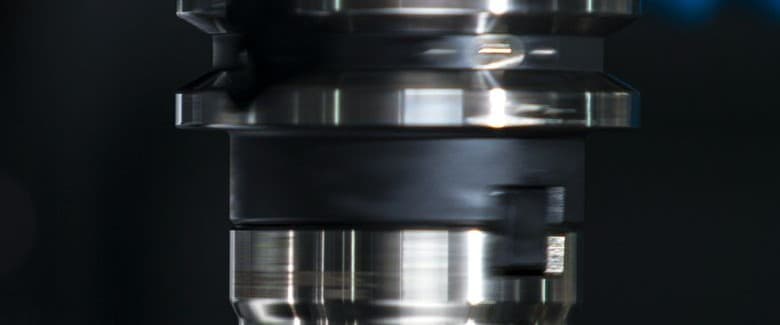
A machine bolted down rigidly pumps its vibrations straight into the floor and the surrounding structure. You notice it as noise felt throughout the building, fasteners that vibrate loose, gauges that drift and fatigue in the machine itself. Isolation does not remove the vibration; it keeps it in the machine and out of everything else.
Where the vibration comes from
Every rotating or reciprocating part — a motor, a pump, a press, a fan — produces an excitation frequency: the rate at which it vibrates, largely determined by its speed. Bolted rigidly to the floor, that energy has a rigid path out, so the floor and structure carry it away and radiate it as noise and movement. The job of a mount is to interrupt that rigid path with something flexible.
How isolation really works
Place the machine on a flexible mount and machine plus mount behave like a mass on a spring, with their own natural frequency. The practical rule: isolation only begins once the excitation frequency of the machine is roughly 1.4 times higher than that natural frequency, and it improves as the two move further apart. A softer mount gives a lower natural frequency and therefore more isolation, but also deflects further under load. The art is to use rubber that is soft enough to isolate, yet firm enough to carry the weight without being crushed flat.
That is why a hard, thin mat under a heavy machine often achieves little: the natural frequency sits too close to the running speed, so nearly everything passes straight through.
Anti-vibration mounts, levelling feet or rubber bushes?
Three families solve the same problem in different situations:
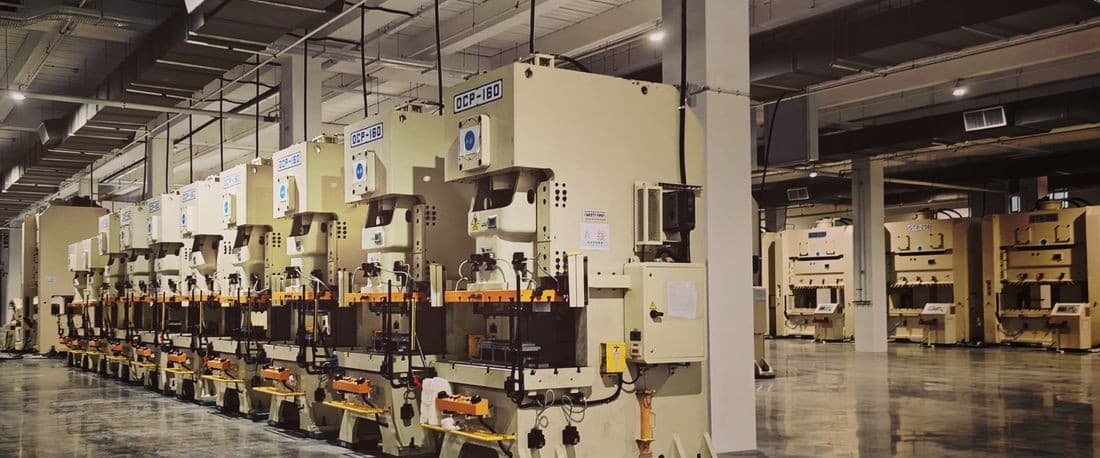
- Anti-vibration mounts bolt the machine down through rubber. They isolate and anchor in one part — the right answer when a machine would otherwise creep or "walk". See anti-vibration mounts explained.
- Anti-vibration levelling feet combine an adjustment spindle with a vulcanised rubber element, so you level and damp the machine in one operation.
- Rubber bushes sit at bolted fixing points and isolate the vibration through a rubber-metal element between bolt and frame. Useful where the whole machine cannot stand on rubber.
Common mistakes
Most isolation that "does not work" fails on one of these points:
- Rubber too hard for the weight, so the natural frequency never drops below the running speed.
- Overloading the mount, compressing the rubber solid and losing exactly the flexibility you paid for.
- Bridging the isolation with a rigid pipe, tube or bracket that gives the vibration a new hard path into the structure.
Do not short-circuit the isolation. A machine sitting neatly on rubber but then piped rigidly to a wall still conducts the vibration through that pipe. Use flexible connections on every line that crosses the isolation.
Isolate vibration at the source