
Load capacity and safe mounting
Getting the load right is the difference between a levelling foot that holds for years and one that creeps, sinks or fails. This is how to calculate it.
9 July 2026 · 4 min read
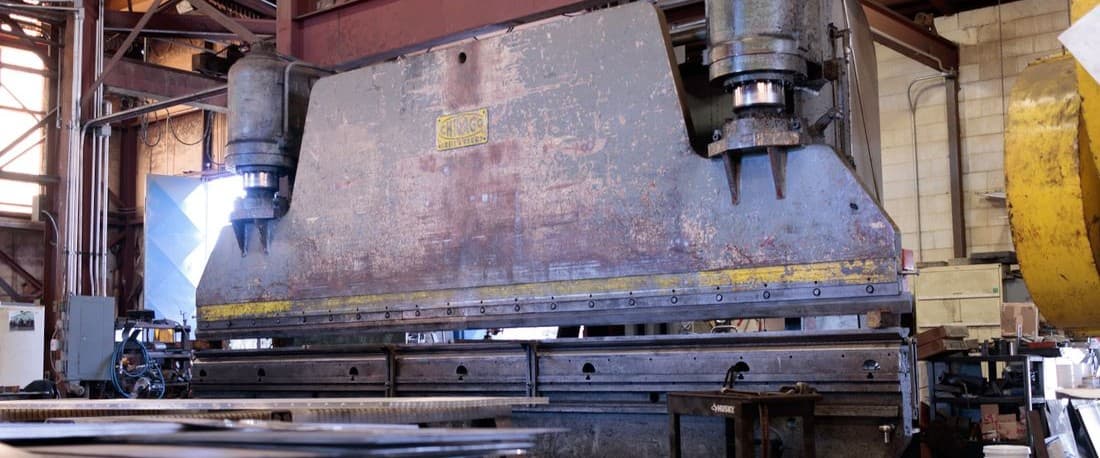
Every levelling foot and mount has a rated load capacity. Stay well below it and the foot carries the machine for a lifetime; load it exactly at that value — or beyond — and the rubber is crushed flat, the plastic creeps and the machine starts to move. The number that matters is not the machine weight, but the load on the most heavily loaded foot, under operating conditions.
Static versus dynamic load
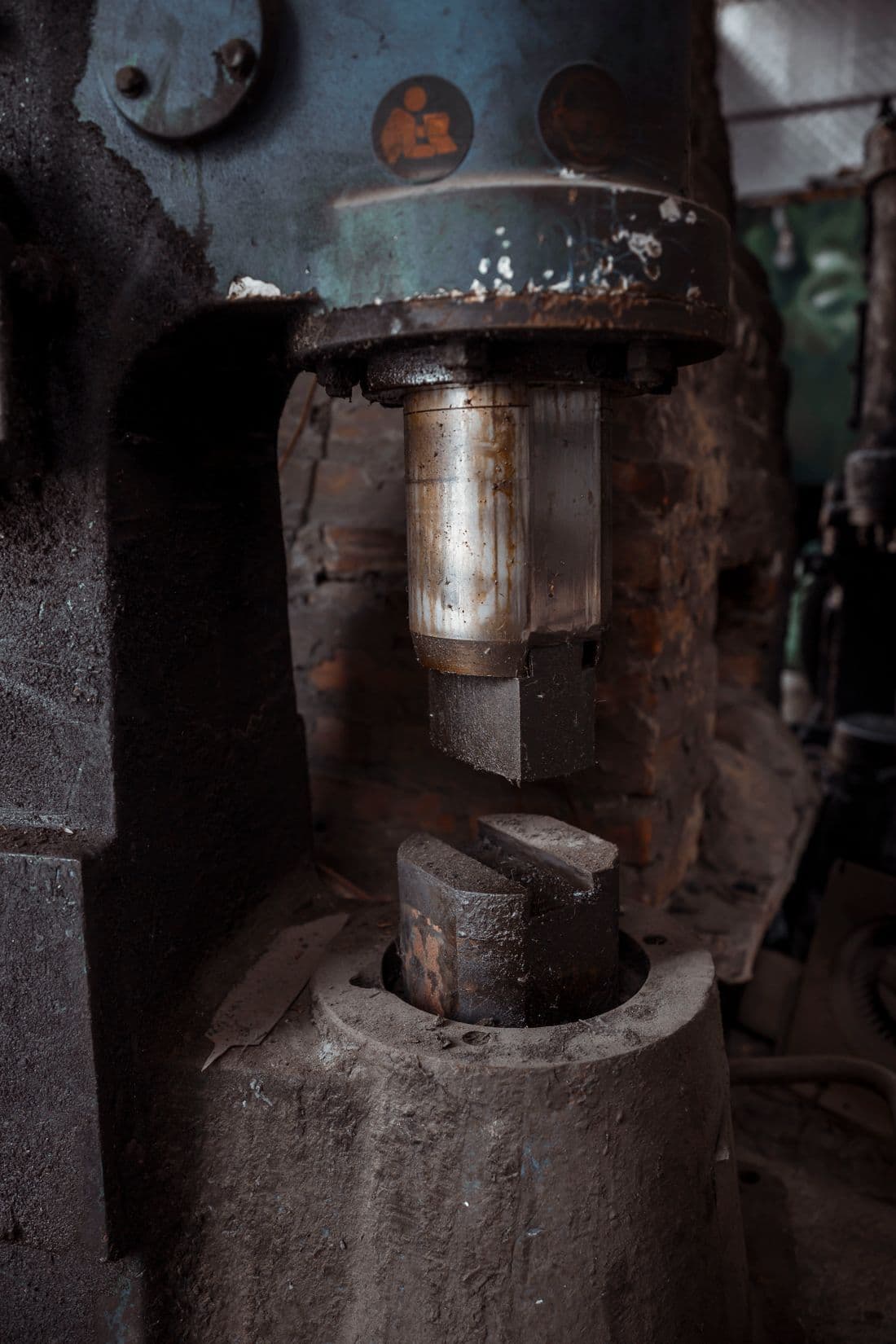
The static load is simply the machine at standstill. The dynamic load is what the feet actually feel while the machine is running: an unbalanced rotor, a press stroke or a reciprocating mass adds peaks well above the static weight. Size levelling feet and anti-vibration mounts for the dynamic load, not just the number on the nameplate.
Calculating the load per foot
Start simple, then correct for reality:
- Average: divide the total weight (machine plus everything on or in it) by the number of feet.
- Correct for the distribution: the centre of gravity is rarely in the middle, so one or two feet carry more. If you do not know the exact distribution, assume the heaviest foot sits well above the average and size for that.
- Add the dynamic margin: go up another step for the forces during operation.
An example: a 1,200 kg machine on four feet averages 300 kg per foot, but a foot under the heavy end can end up carrying 450 kg or more once distribution and operating forces are factored in. That 450 kg — not the 300 kg — is the number you size for.
Keep a safety factor
A rated load capacity is a maximum, not an operating point. Keep a margin below it so the foot keeps working in its proper range, and remember that rubber and plastic slowly creep under constant load: a mount running at its limit keeps sinking further over time. Choosing a foot with a capacity above the worst-case load is cheaper than chasing a machine that has slowly walked out of position.
Weight distribution, tipping and anchoring
Two more things determine whether a machine stays put. Tall, narrow machines — or machines with a high or moving centre of gravity — can start to rock or tip, and therefore need a wider footprint or bolted anchoring. And anywhere a machine vibrates, drifts or absolutely must not move: anchor it. Bolted-down anti-vibration mounts isolate and hold the machine to the floor at the same time, as covered in anti-vibration mounts explained. Free-standing levelling feet are fine for stable machines with a good weight distribution on a sound floor.
The rated load capacity is a ceiling, not a target. Size for the most heavily loaded foot under operating conditions and keep a margin above that. Send us the weight, the footprint and what the machine does, and we will confirm the load per fixing point.
Rated for the load